Event
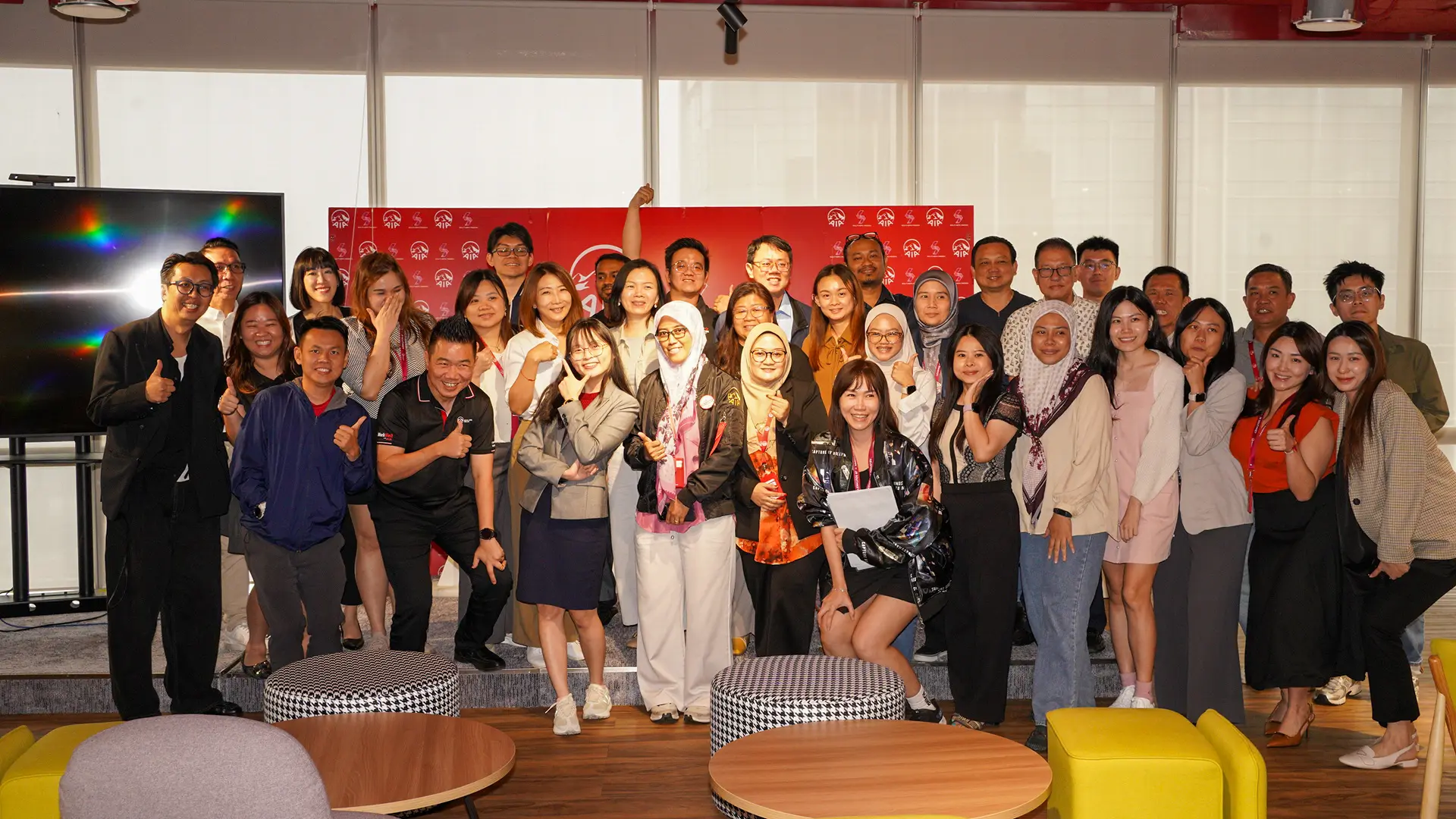
Back in Johor Bahru, Through the Haze
A full day of hands-on corporate AI training in Johor Bahru on a hazy day, with a group so keen that we finished ahead of schedule.
Read the post →Short notes from AICoach.my - what happened at our events, practical AI tips you can use today, and things worth sharing.
A full day of hands-on corporate AI training in Johor Bahru on a hazy day, with a group so keen that we finished ahead of schedule.
Read the post →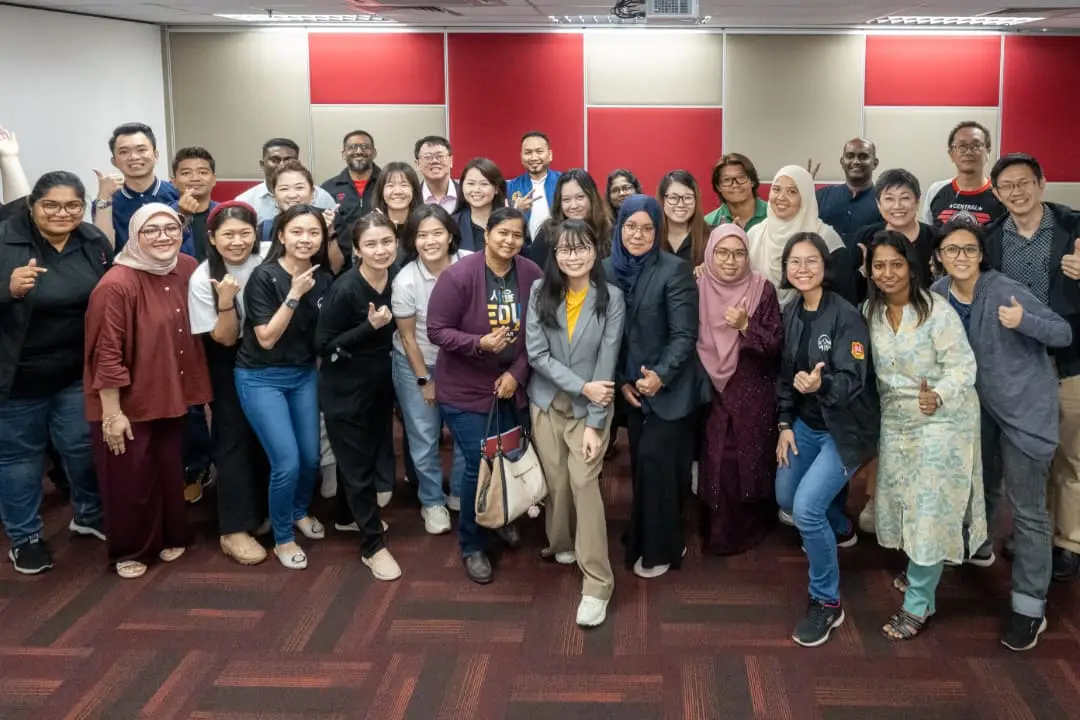
A full day of hands-on corporate AI training in Klang, full of laughter, and the first time in the series we showed a Google AI skill turning a conversation into meeting minutes.
Read the post →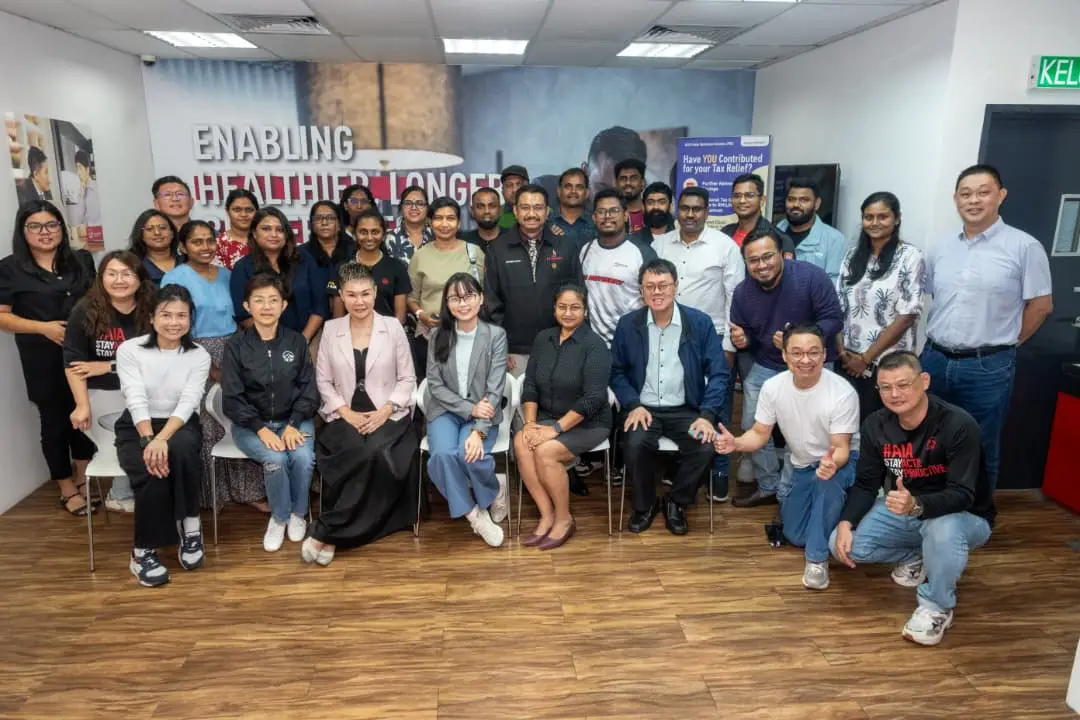
A full day of hands-on corporate AI training in Seremban, where the group picked things up quickly and kept reaching for the microphone to share what they had made.
Read the post →
A workshop for AI Future Makers Bootcamp 2026 hackathon teams: the five Design Thinking steps, one free AI tool for each, and a live demo from interviews to a tested prototype.
Read the post →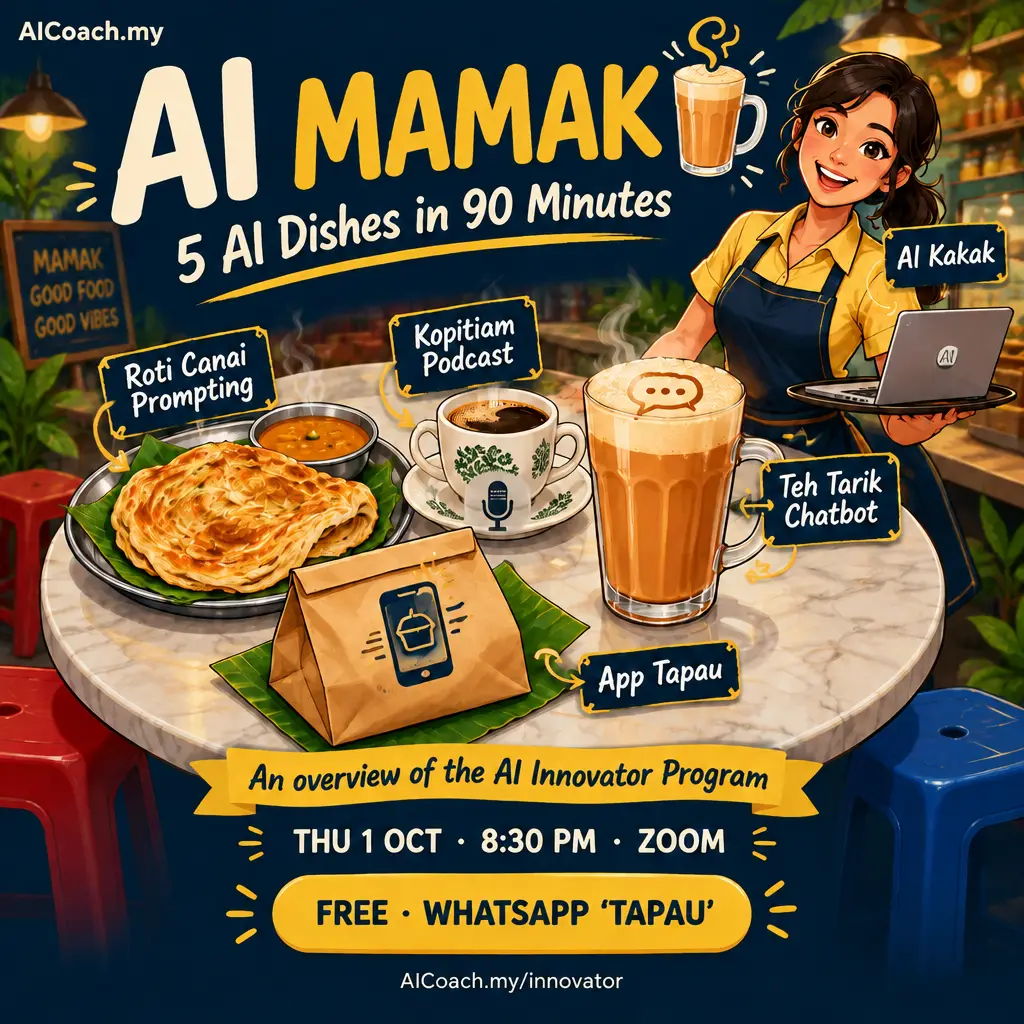
Our introductory session to the AI Innovator Program, served as five AI dishes from one mamak shop: a menu, a podcast, a skill, a chatbot and an ordering app.
Read the post →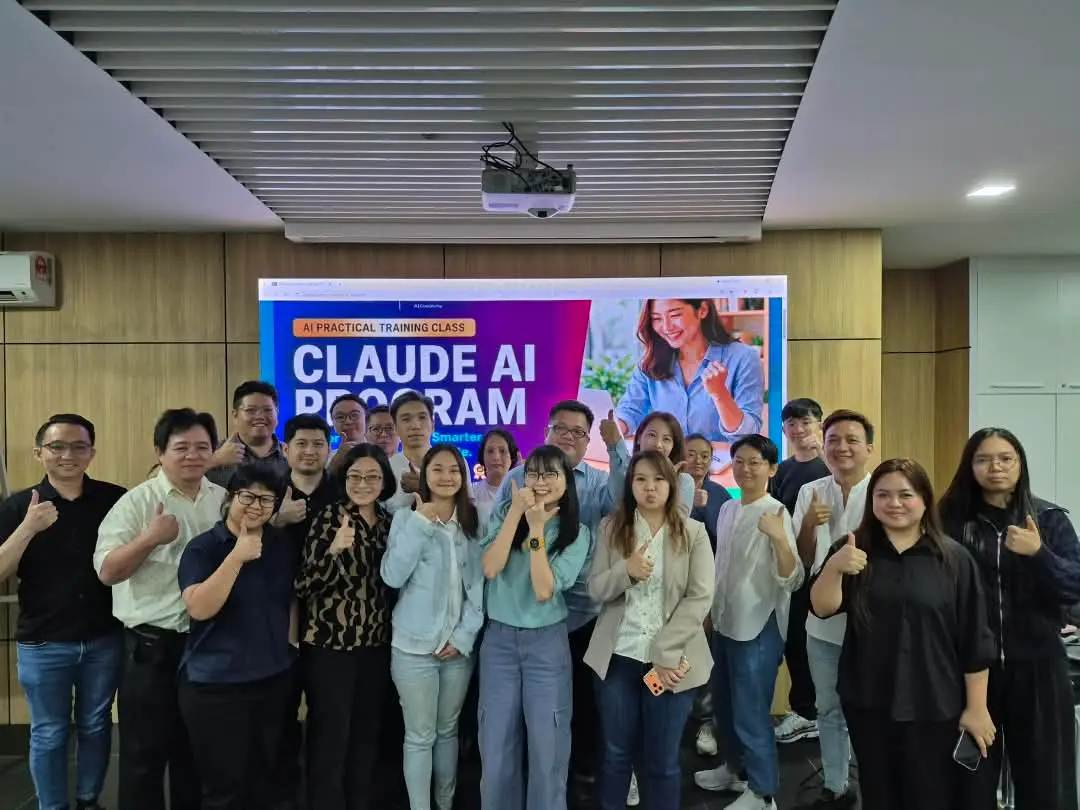
A full-day public Claude class in Kota Kinabalu with G&A Group, covering all five modules in one day, from the first prompt to an AI coworker on the desktop.
Read the post →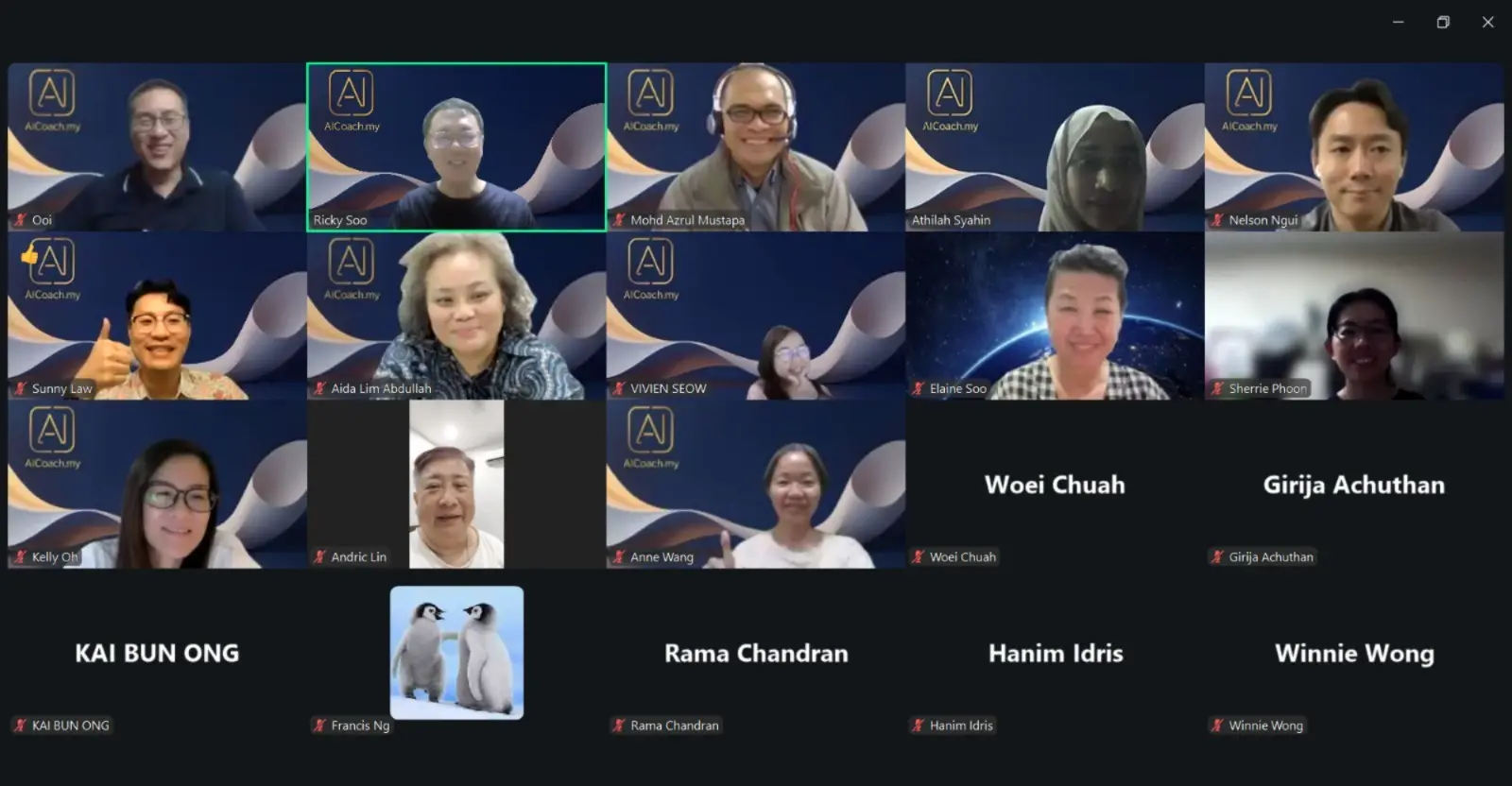
The AI Innovator Program welcomes beginners, but people who already use AI daily often gain the most. Here is what changes when you go past the chat box.
Read the post →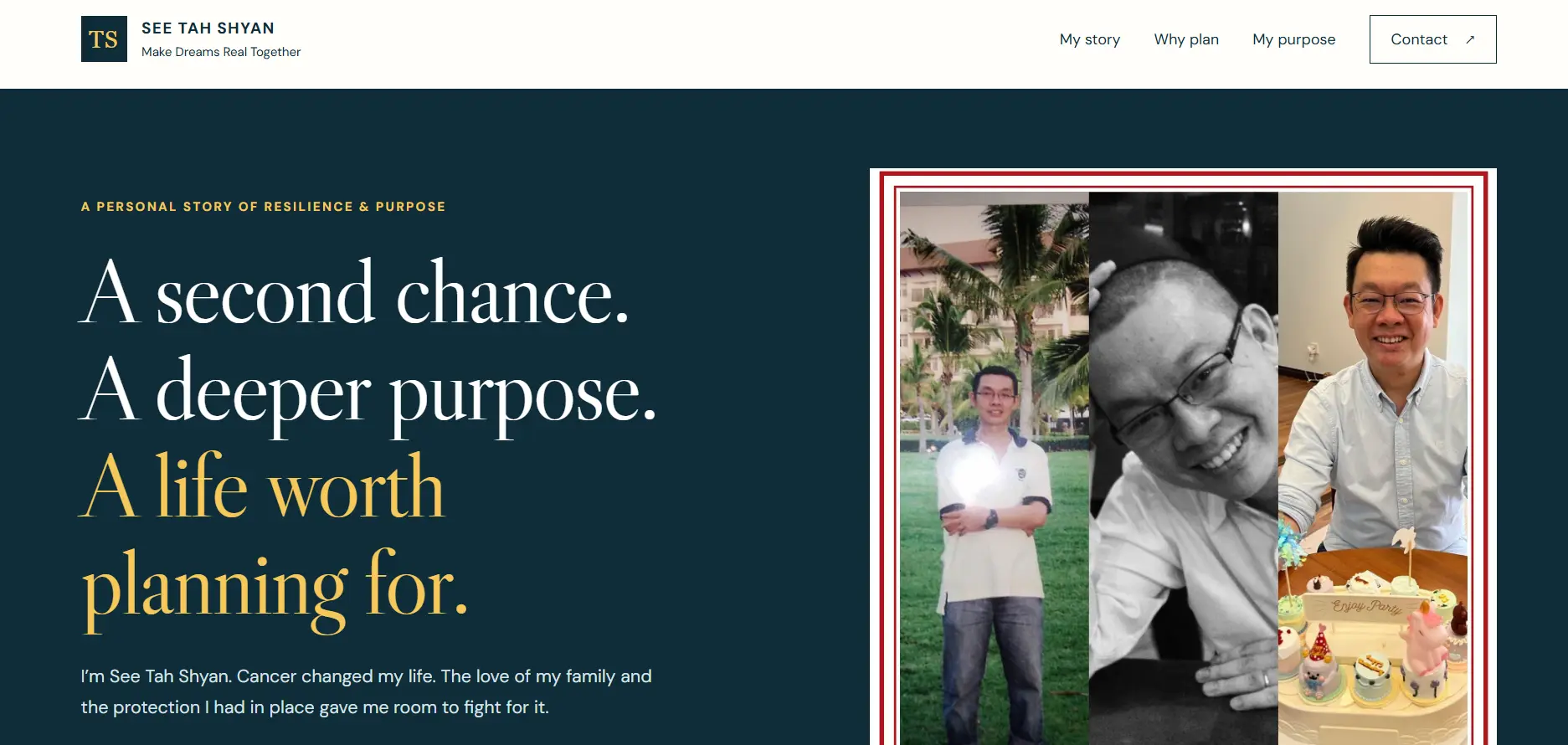
How a 20-page e-book became a personal website in ten minutes with ChatGPT, told through Tah Shyan's cancer recovery story. Your e-book could be next.
Read the post →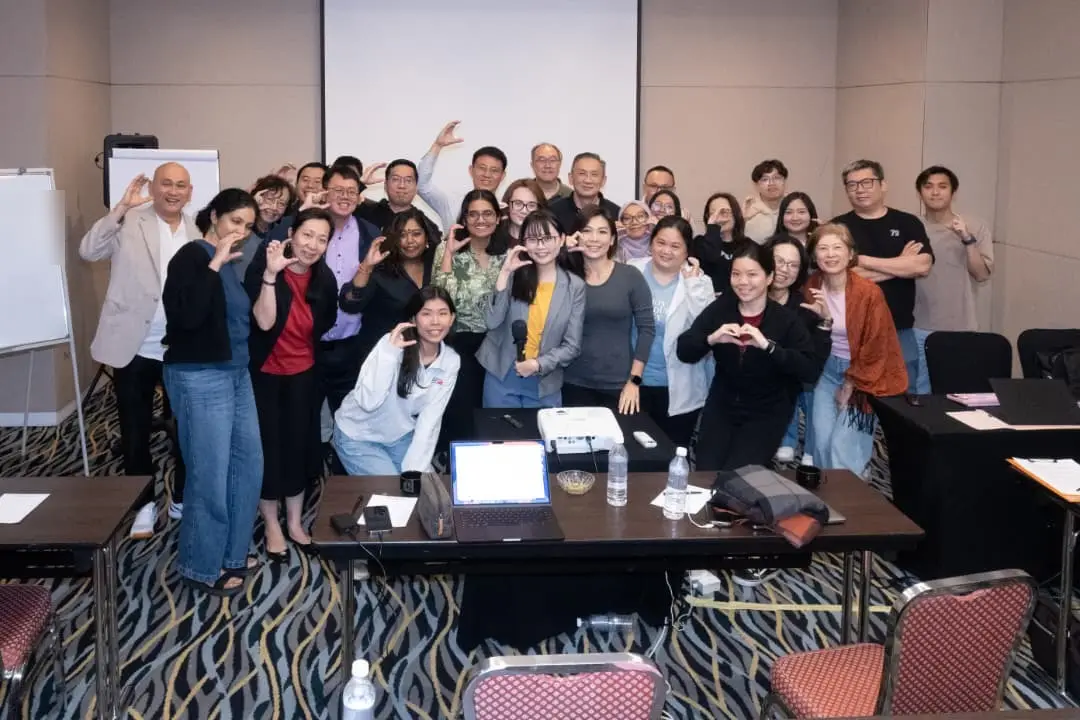
Two full days of hands-on Claude training in Petaling Jaya, with people from different companies going from their first prompt to an AI coworker.
Read the post →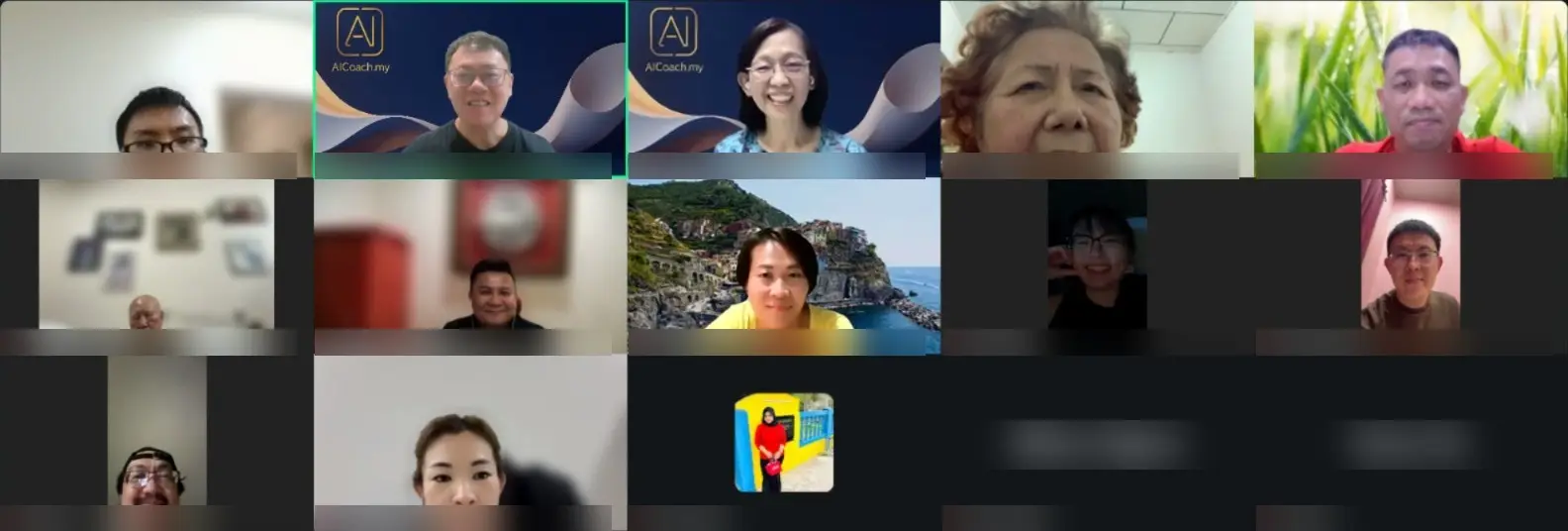
Learners from our Mandarin and English groups showed what they built: a Toastmasters planner, a sales report, weekly broadcasts, branded posters and a typing game.
Read the post →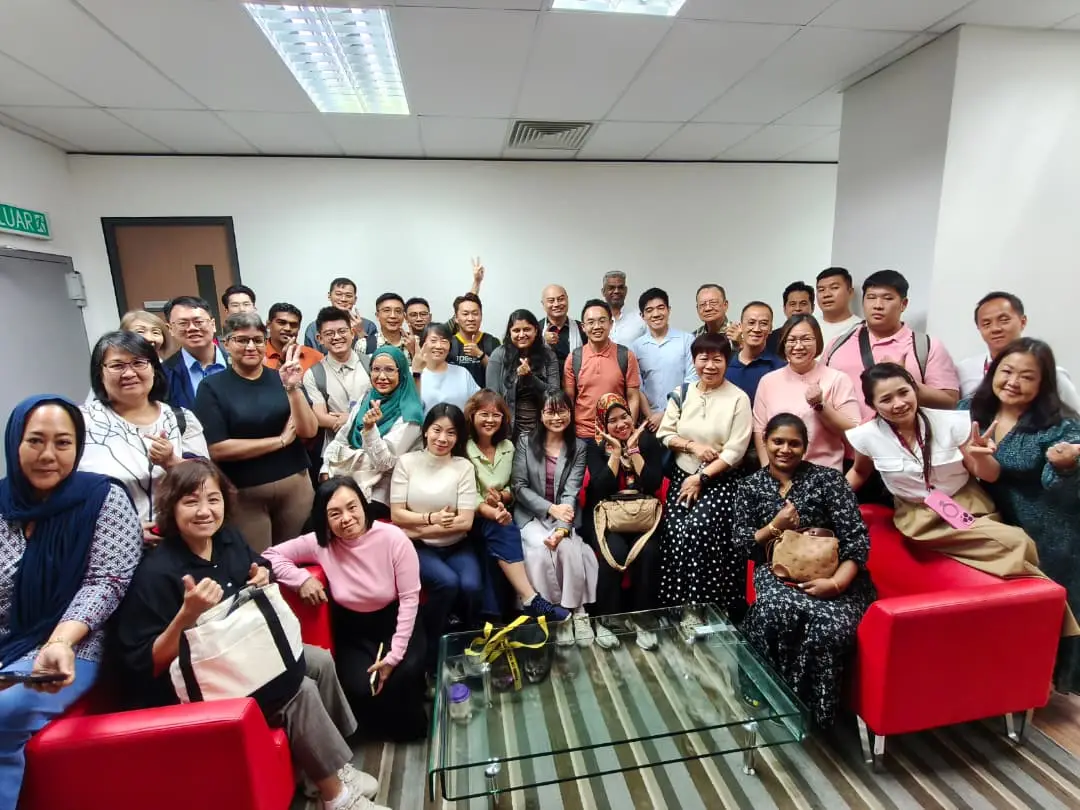
A full day of hands-on corporate AI training in Petaling Jaya, with thirty advisors filling row after row of chairs, laptops and tablets open all day.
Read the post →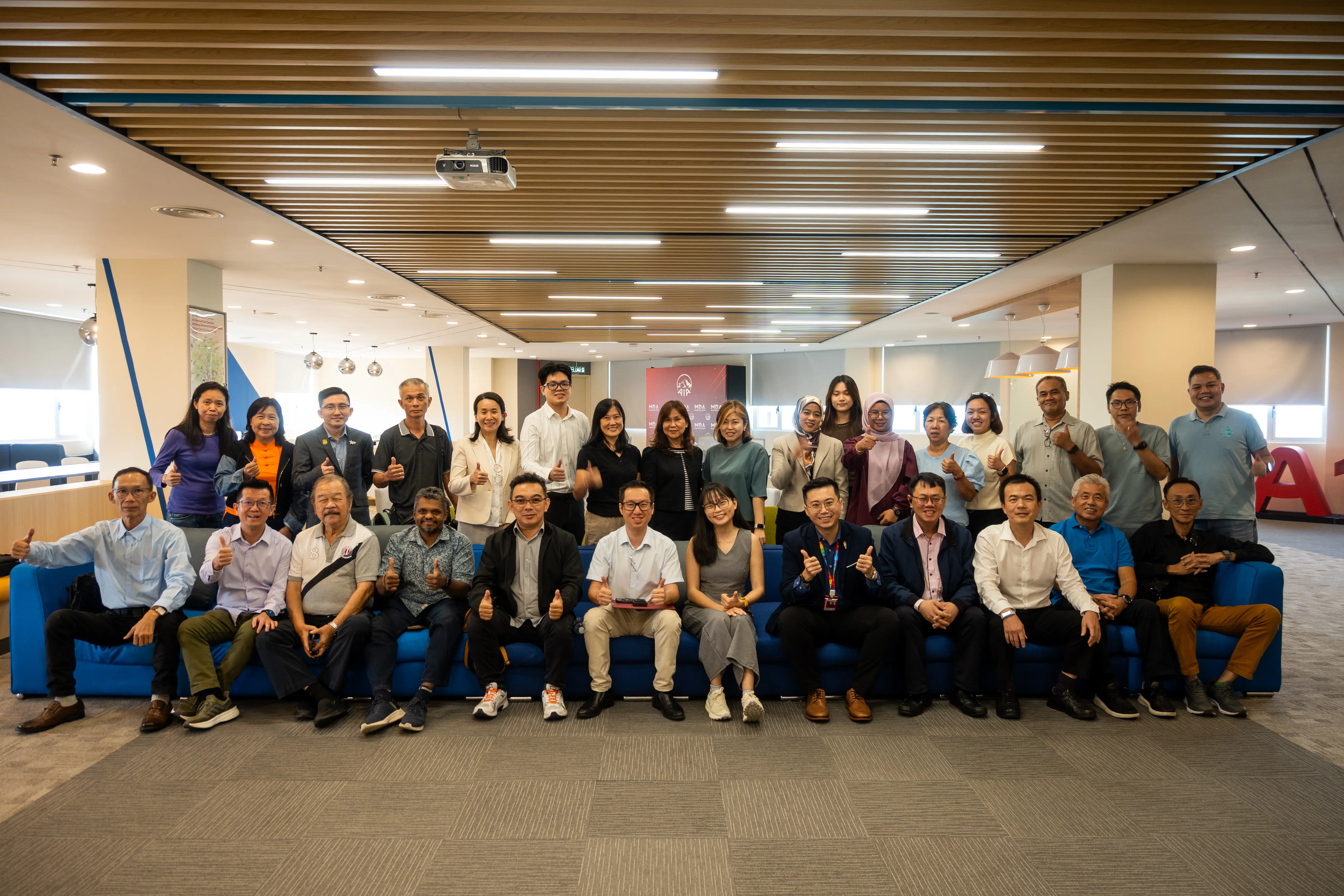
A full day of hands-on corporate AI training in Penang, with tablets propped on fold-out desks and questions coming from every corner of the room.
Read the post →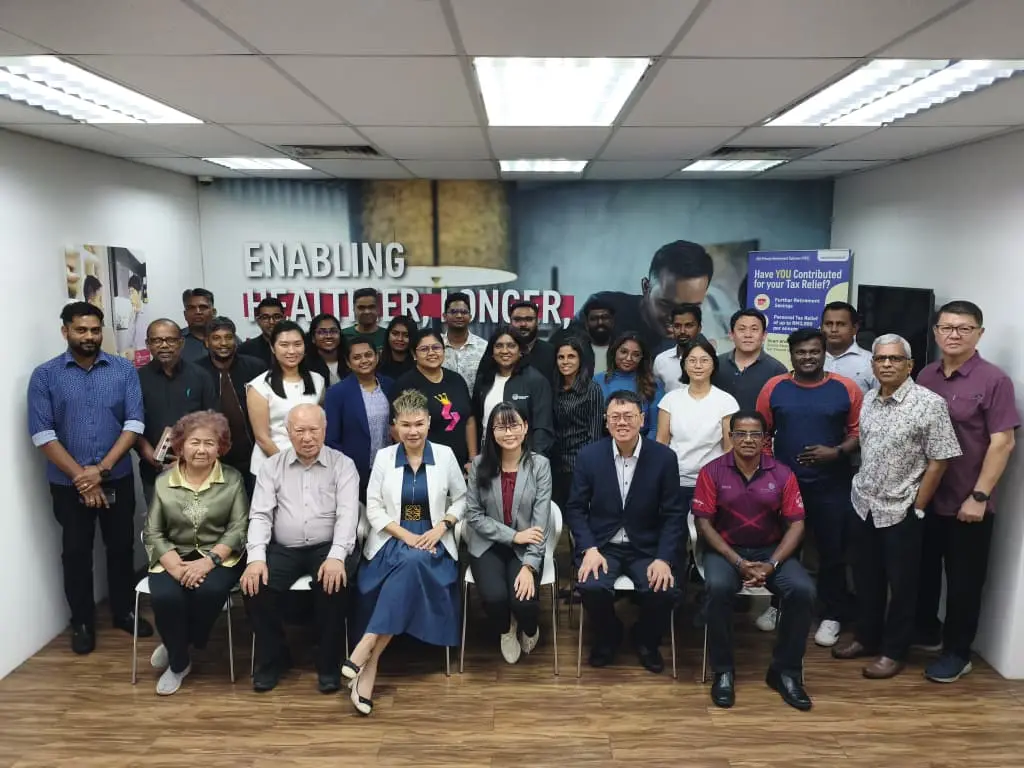
A full day of hands-on corporate AI training in Seremban, where the room built AI helpers that answered them in a language the trainers could not read.
Read the post →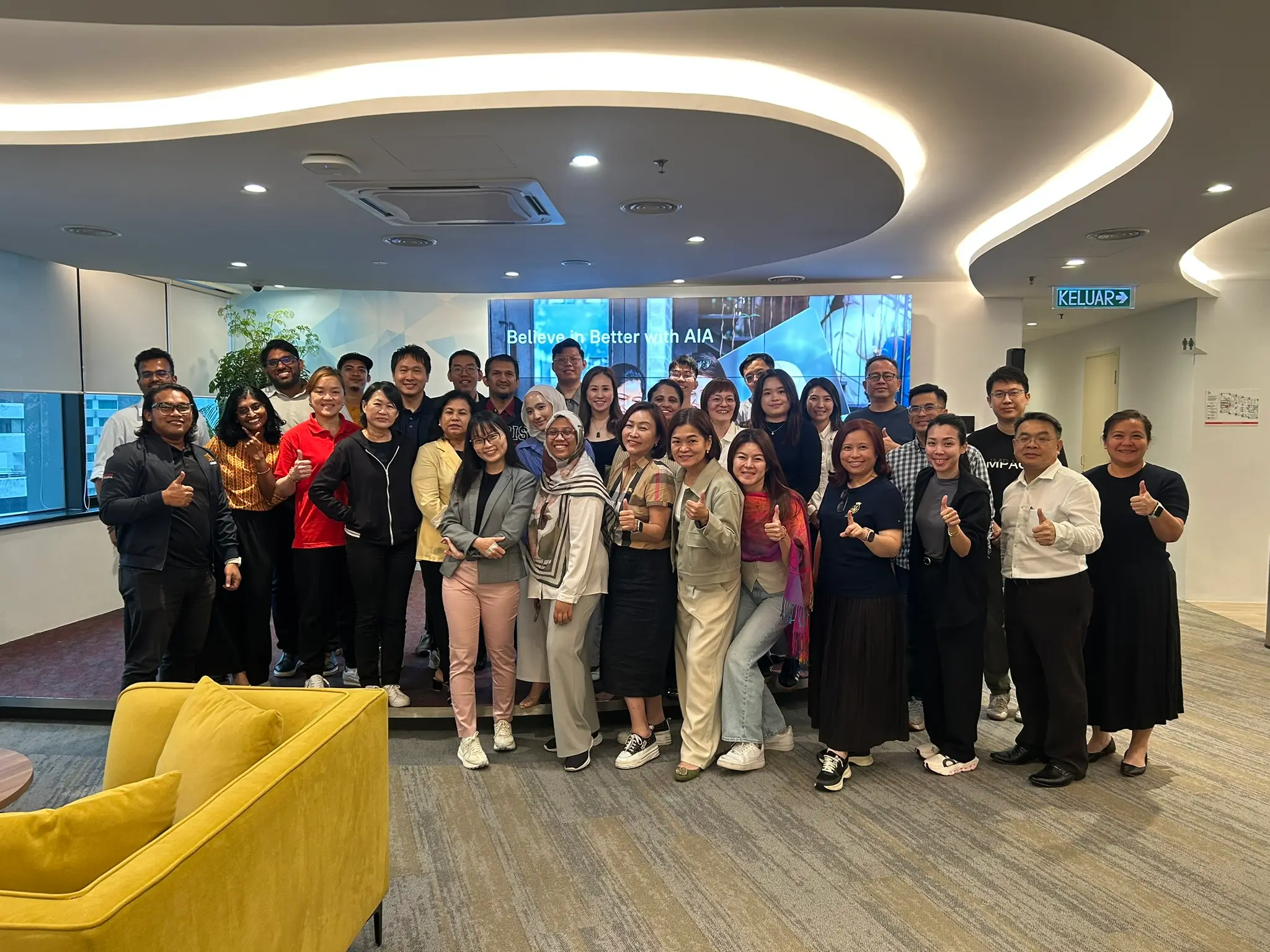
A full-day, hands-on AI training session in Kuala Lumpur built around short rounds of small-group discussion and report-back to the room.
Read the post →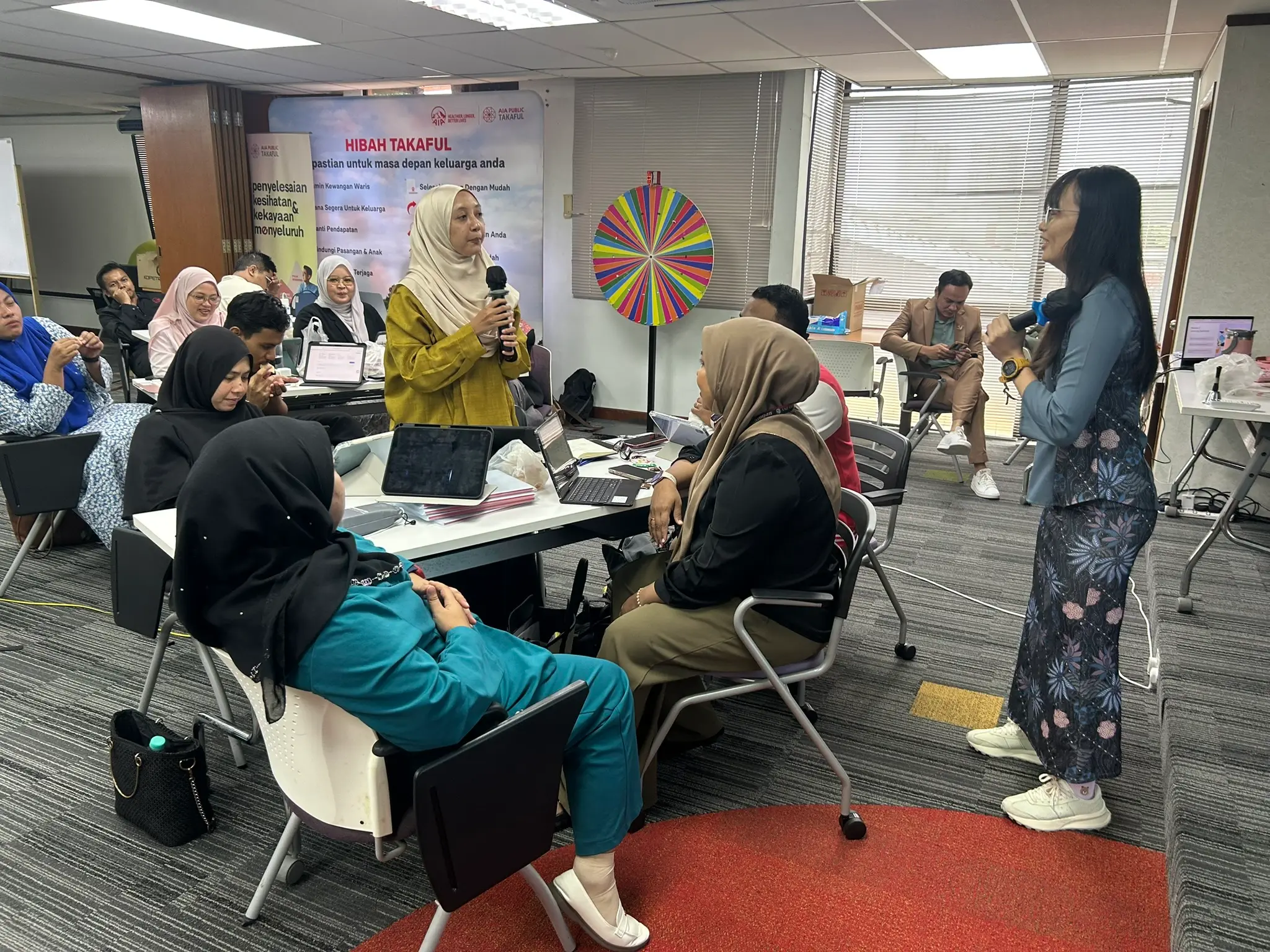
Satu hari penuh latihan AI secara bersemuka di Kota Bharu untuk perancang kewangan dan ejen Takaful, dalam suasana yang ceria dari pagi hingga petang.
Read the post →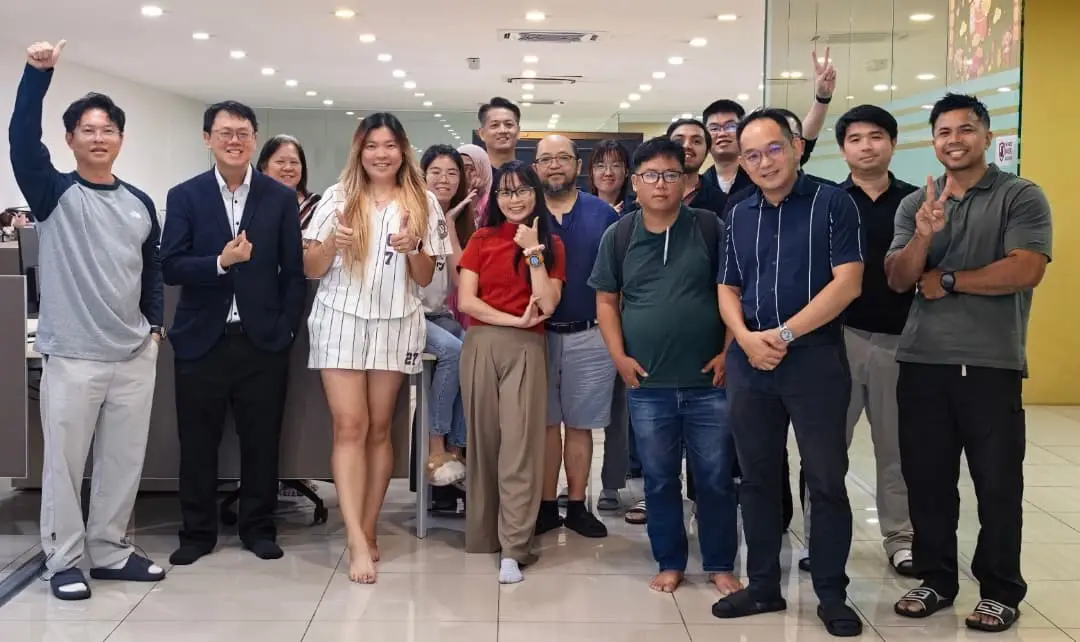
A seven-hour AI Essentials day run inside a company's open-plan office, ending with a demonstration that rebuilt their own website with ChatGPT in sixty minutes.
Read the post →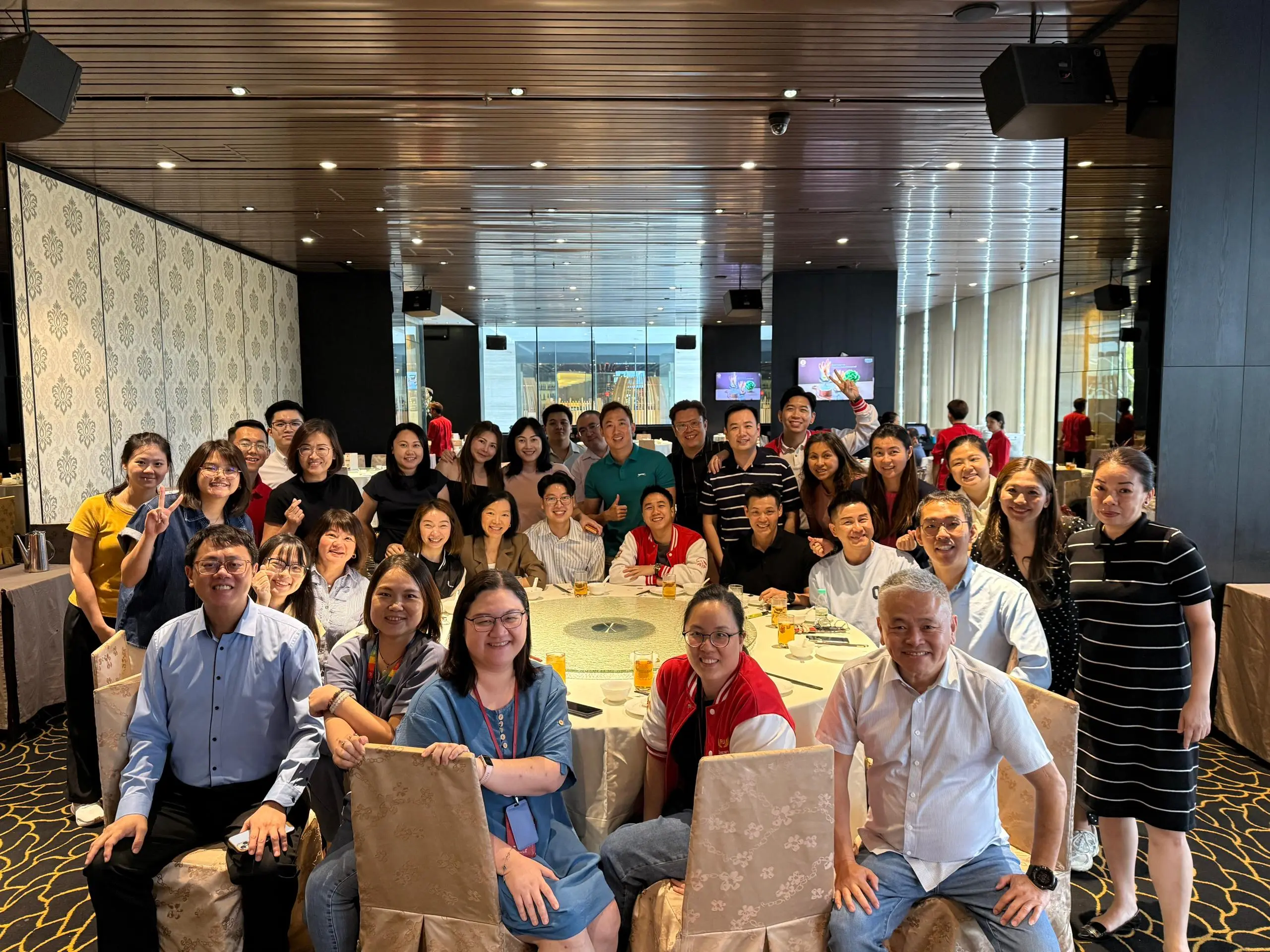
在八打灵再也的一整天实体 AI 培训,全程华语进行。这一场来的是同一个团队,连午餐都整团一起到餐馆吃完再回来。
Read the post →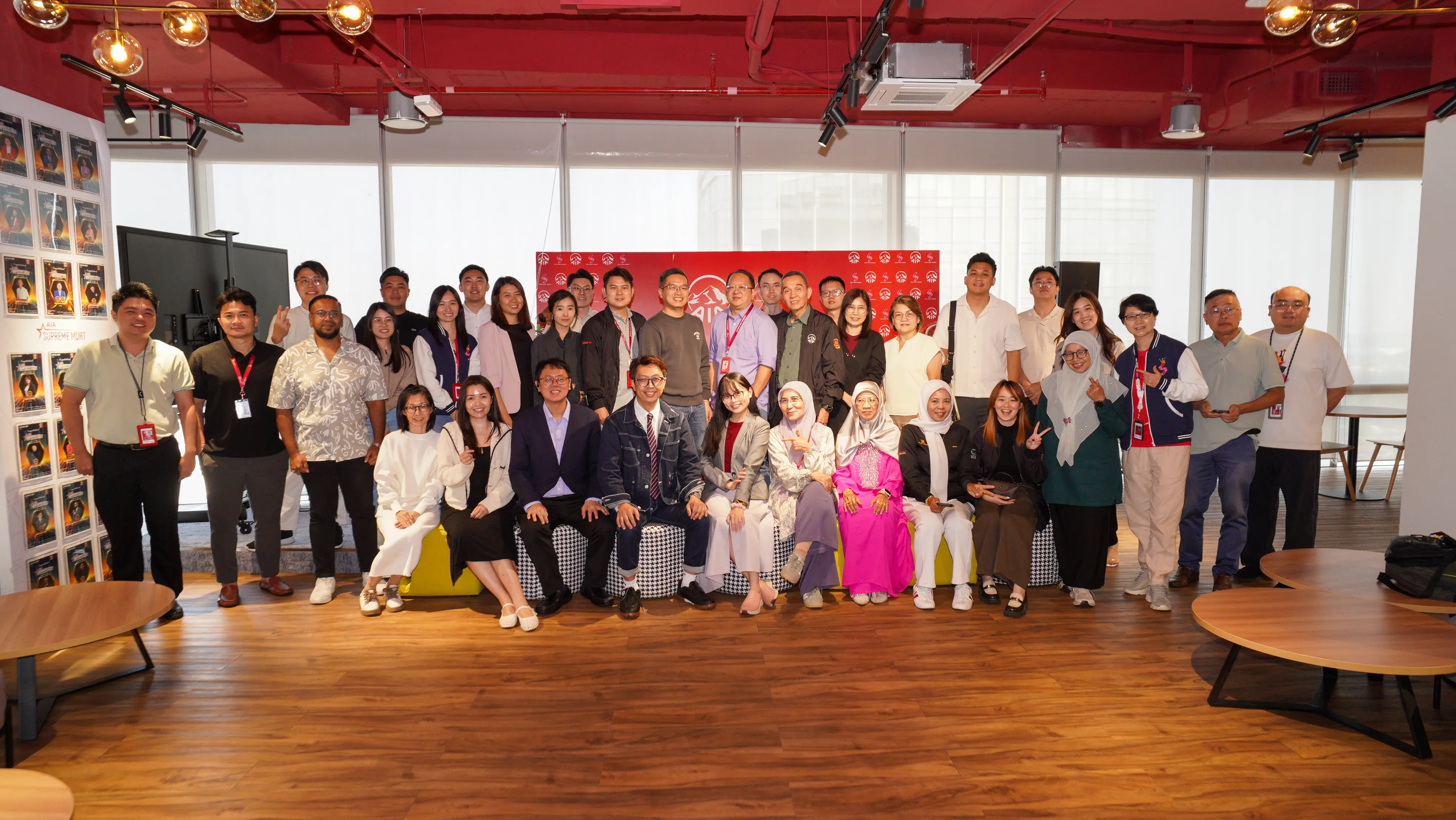
A full day of hands-on, in-house AI training in Johor Bahru, the furthest south this year's run of sessions has gone.
Read the post →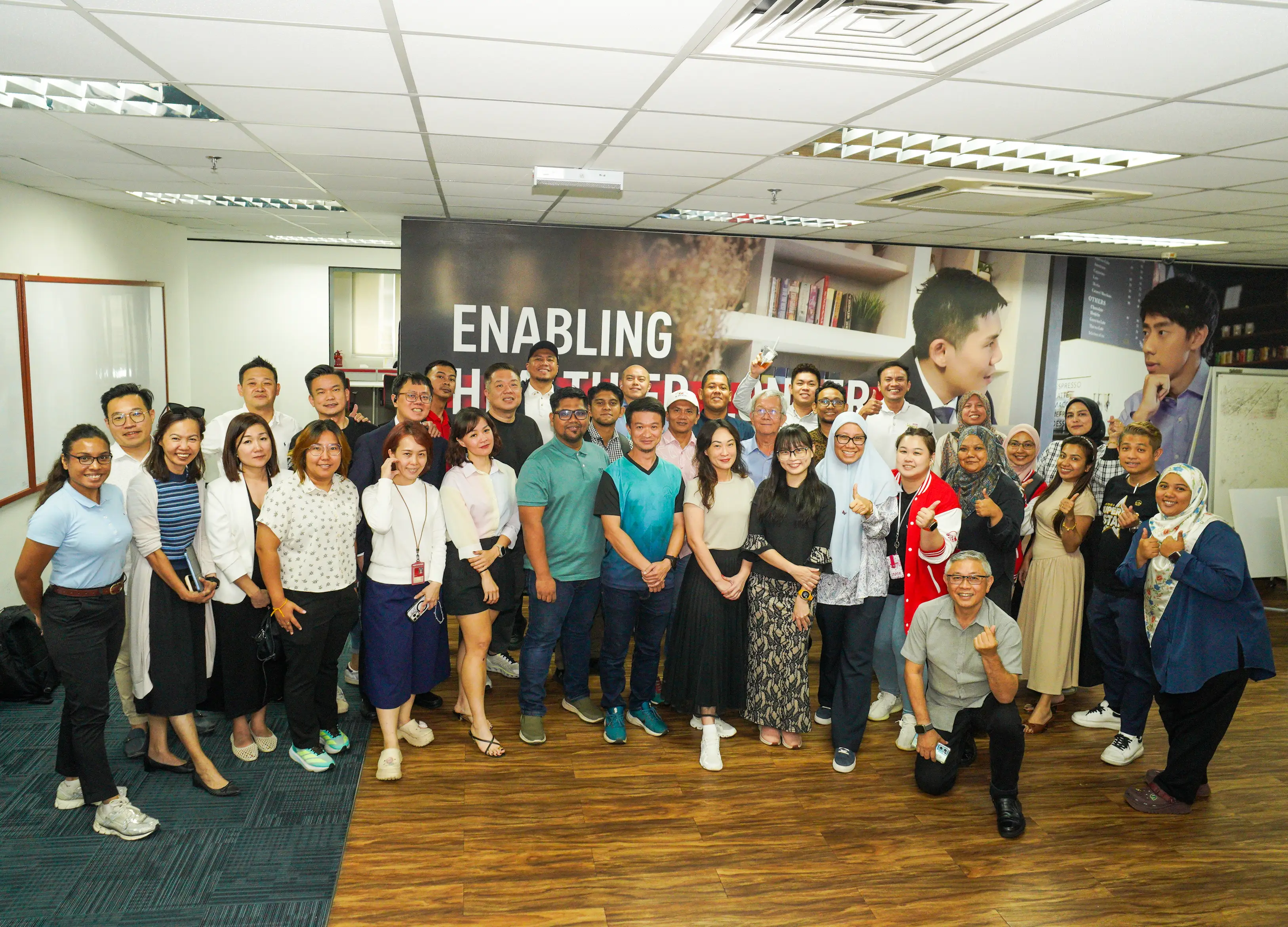
A full day of hands-on, in-house AI training in Kuantan, in a room set with round tables where nobody got to sit at the back.
Read the post →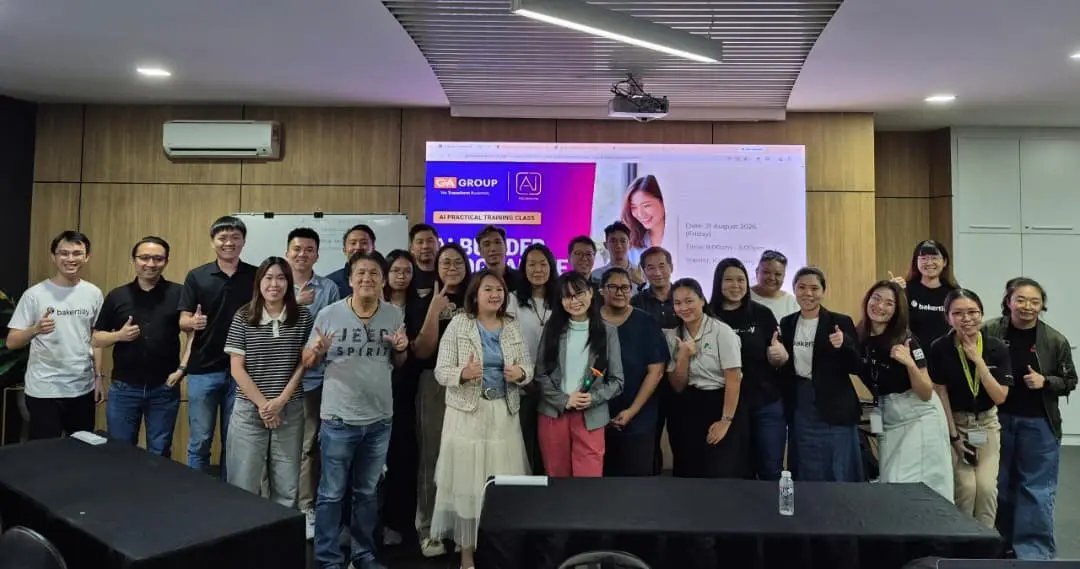
The AI Builder Programme in Sabah: a full day from prompting to a published chatbot and a working app, finishing with everyone demonstrating what they had built.
Read the post →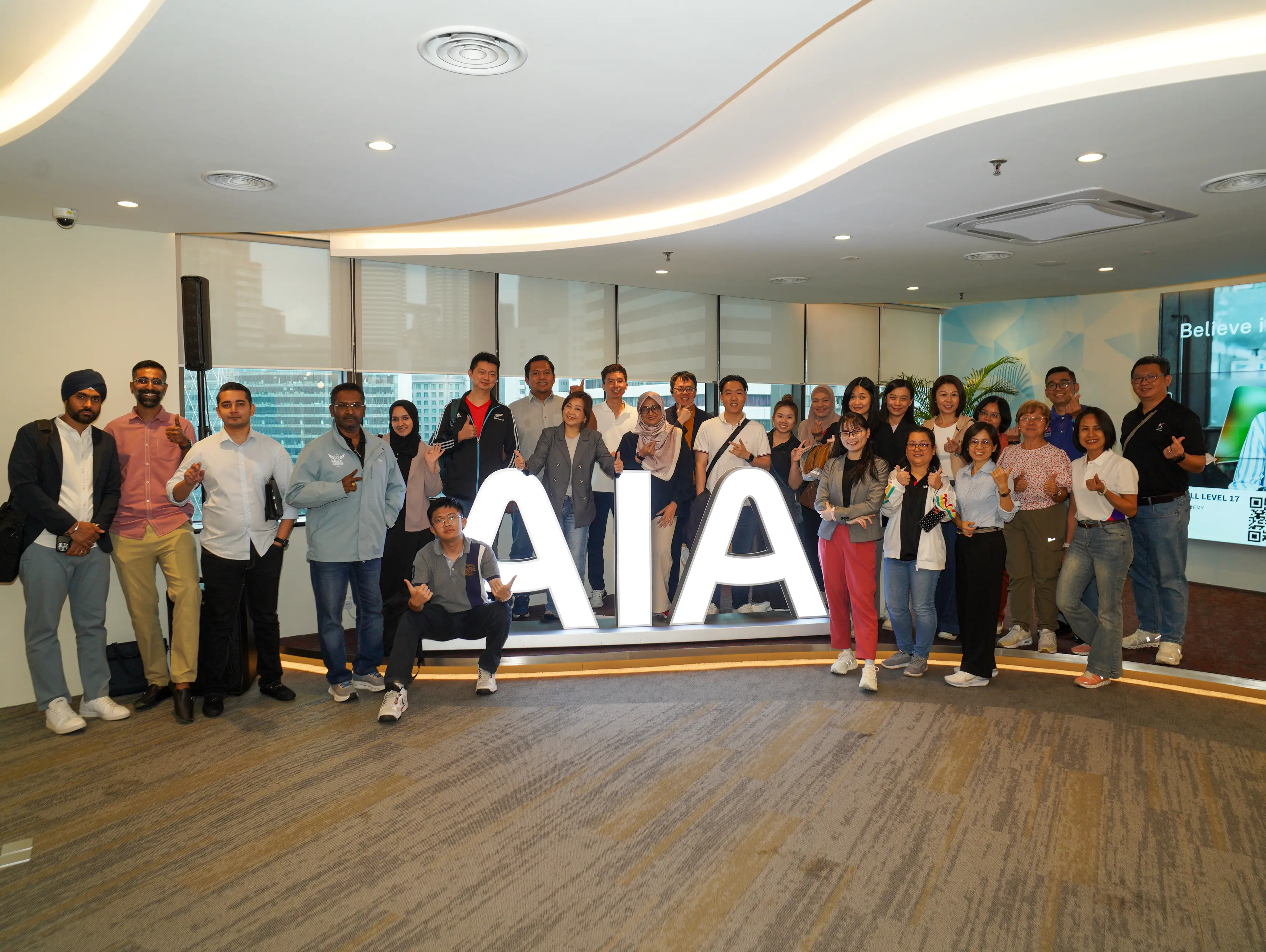
A full day of hands-on AI training where the trainer skipped the lecture format for most of the day and worked table by table instead.
Read the post →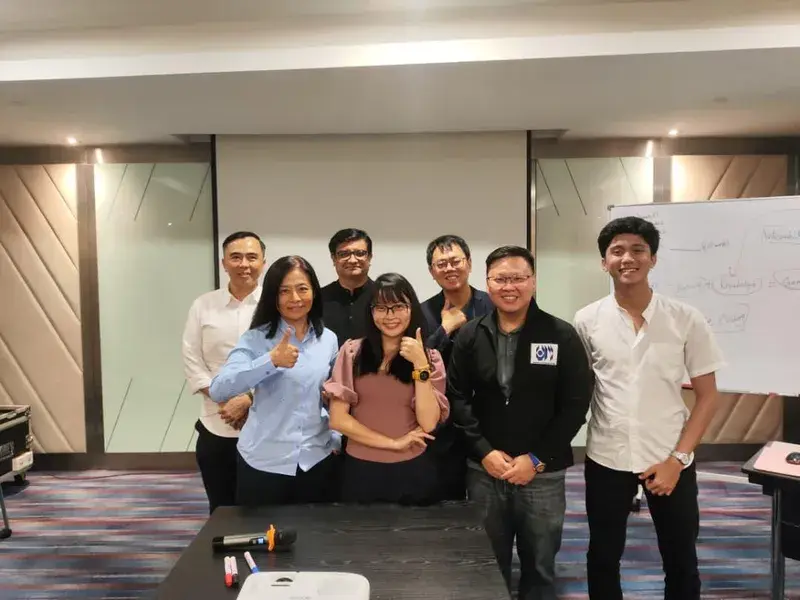
Most of our AI training works fine over Zoom. The in-person sessions do one thing online cannot, and it has nothing to do with the slides.
Read the post →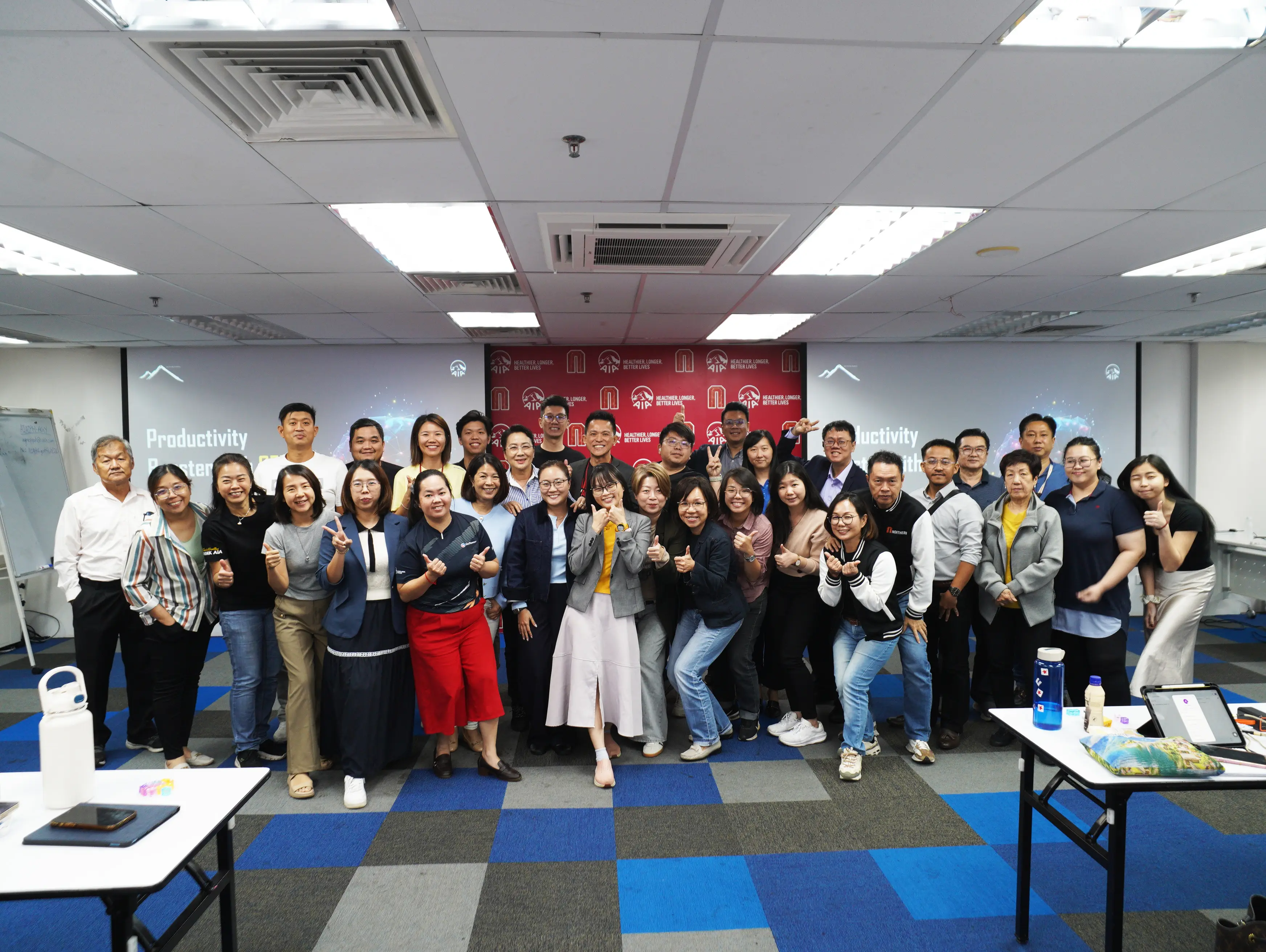
怡保一整天的实体 AI 培训,全程华语进行,从早上九点到下午五点,现场笑声不断,气氛比想象中还要热闹。
Read the post →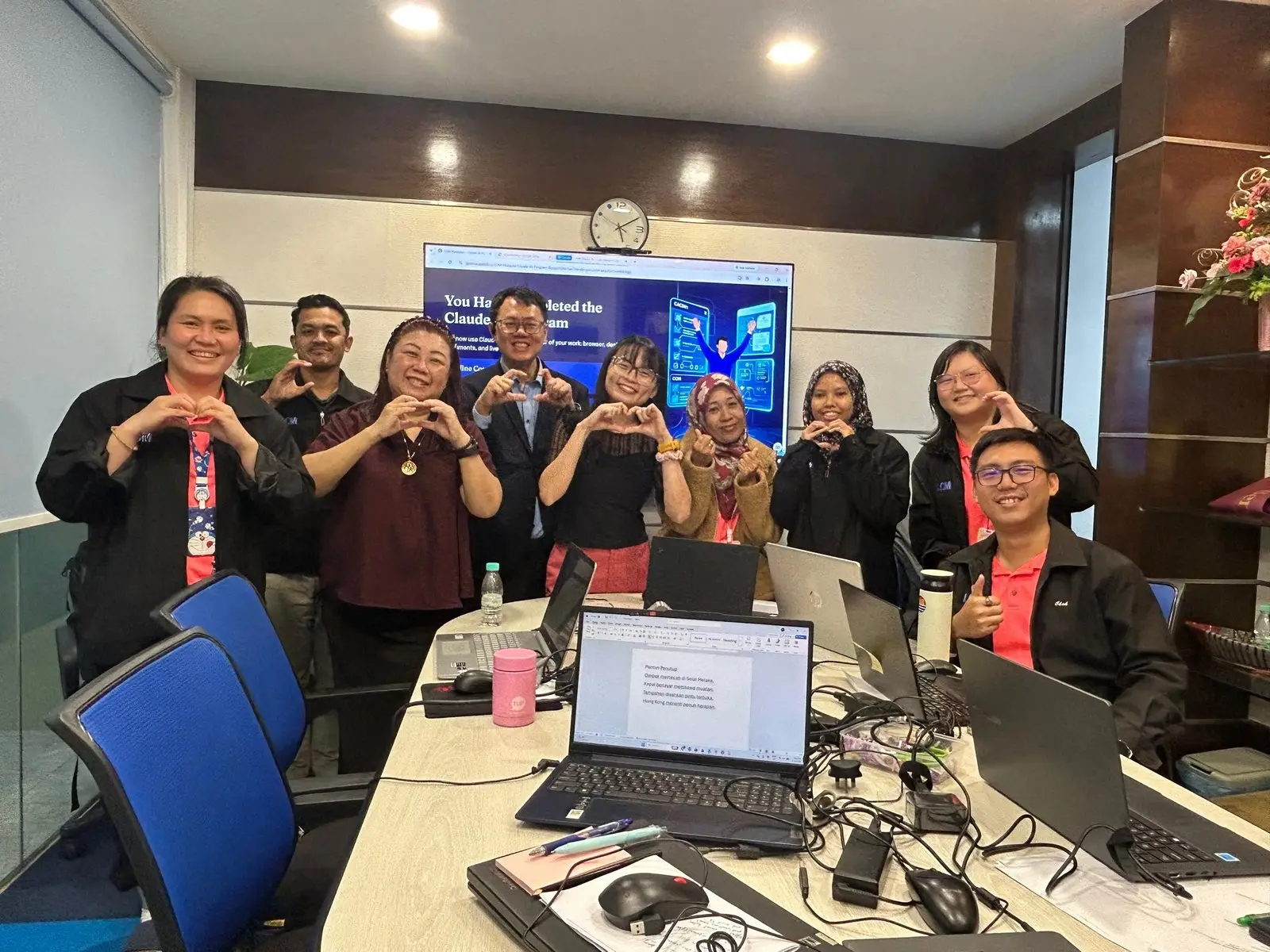
Two half-days of the Claude AI Program for a freight forwarder, where the practice files were delay notifications, freight rate tables, bills of lading and SOLAS compliance.
Read the post →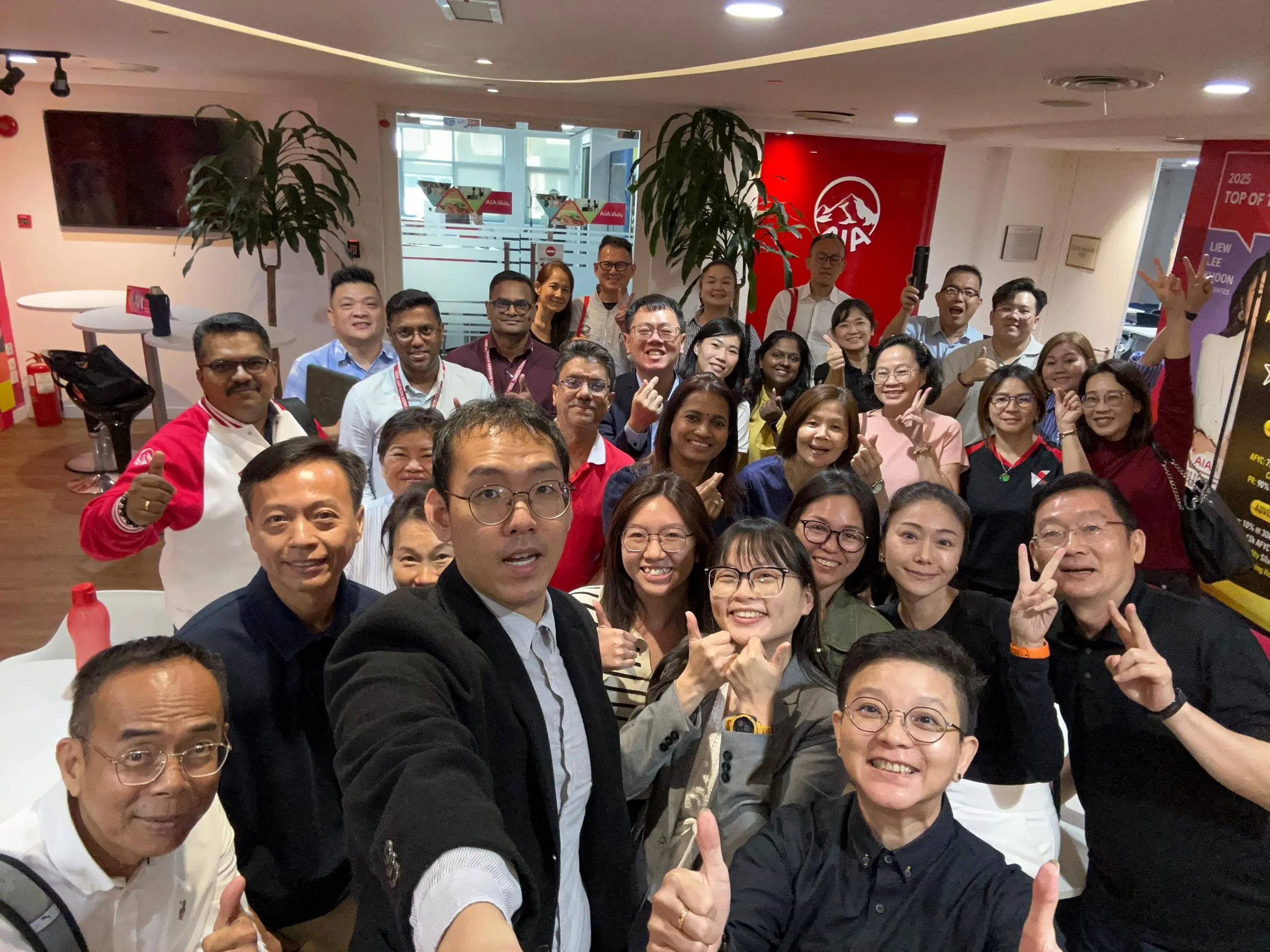
A full day of hands-on AI training in Klang, where every new slide got photographed almost before the trainer finished explaining it.
Read the post →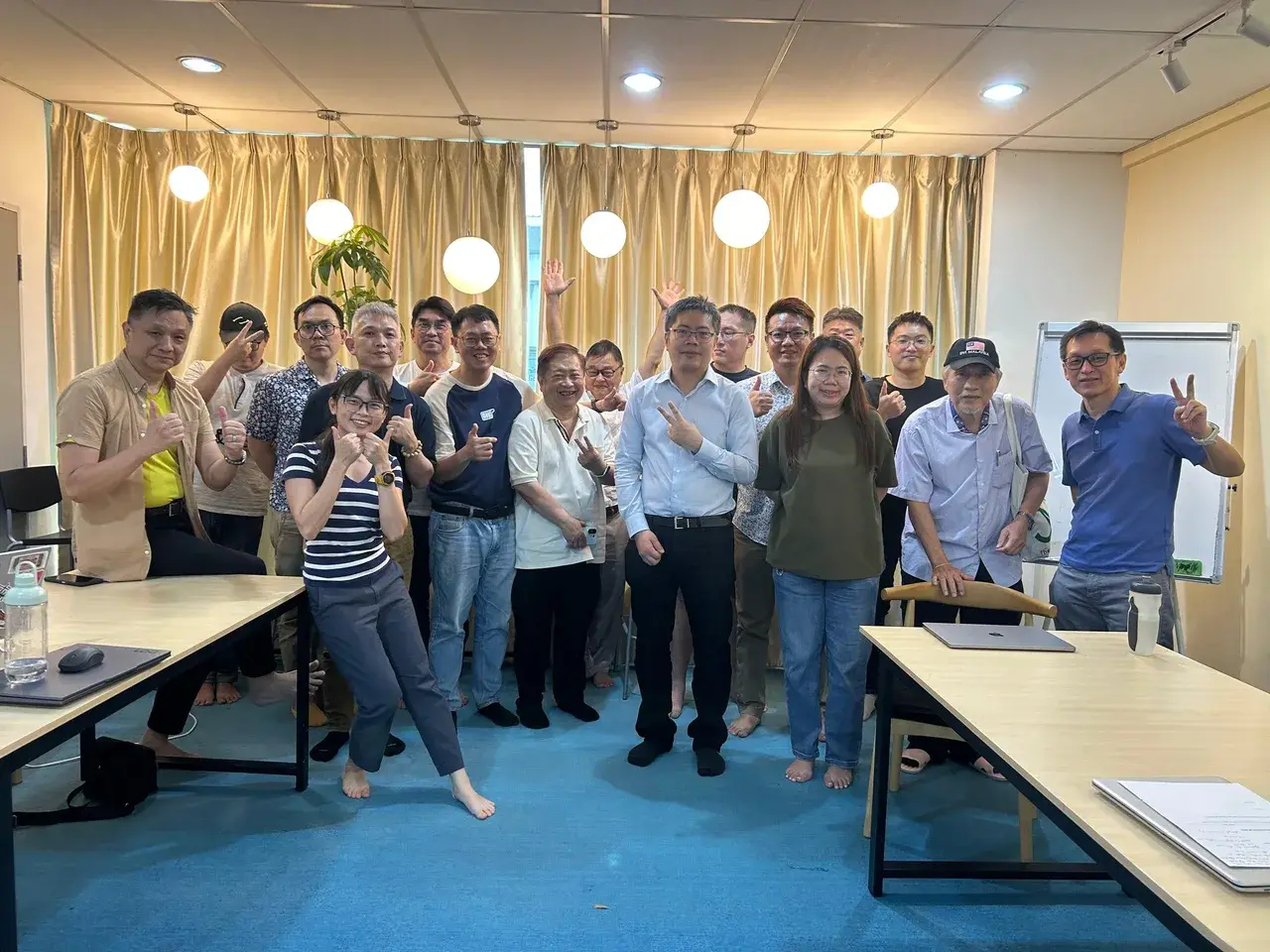
Making app interfaces from plain text, generating leads with Claude, and optimising content so AI answer engines recommend you. Three talks, one Sunday.
Read the post →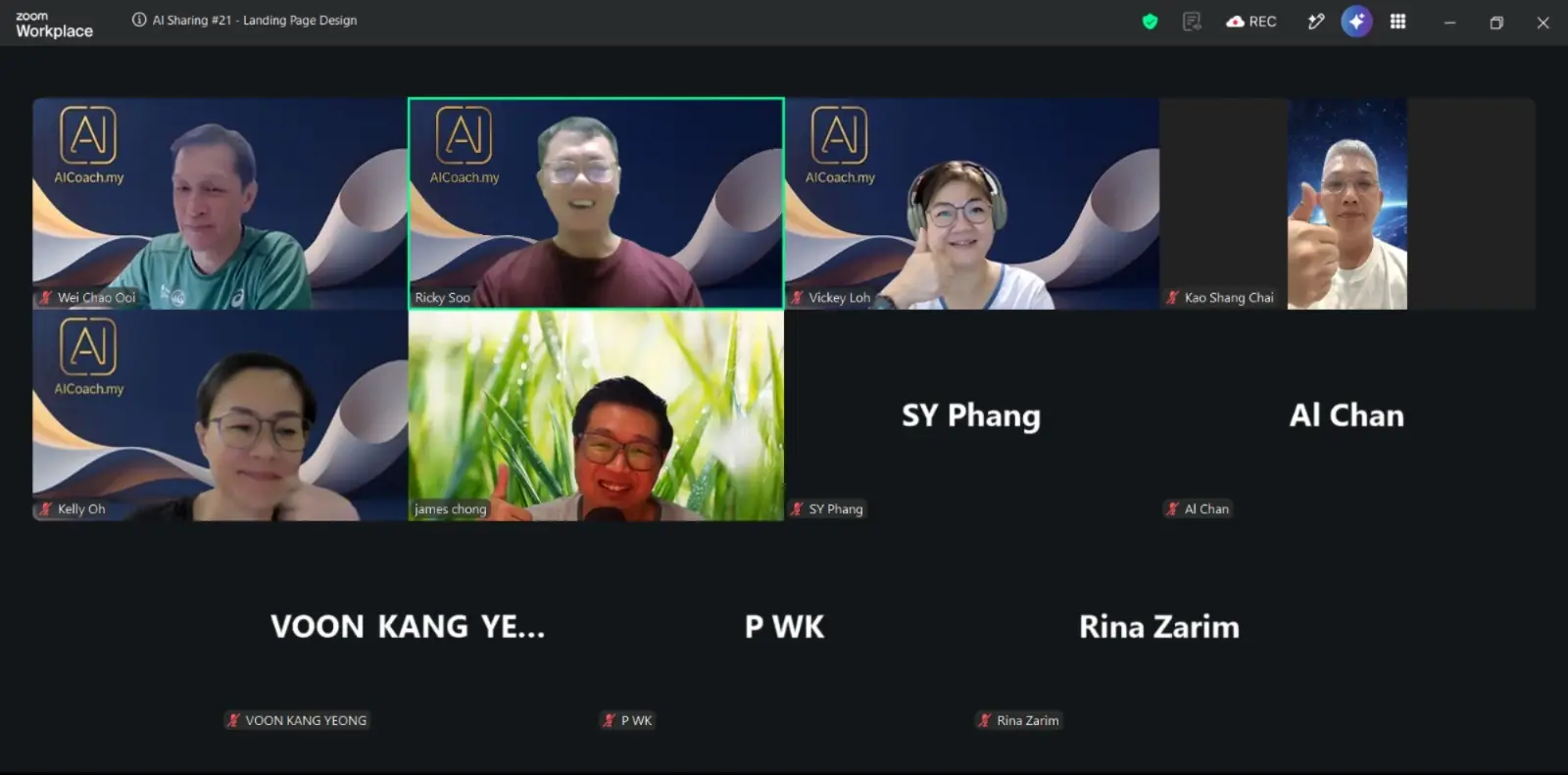
James Chong broke down what actually makes a landing page fill seats: promise the result first, put the form early, and repeat one call to action.
Read the post →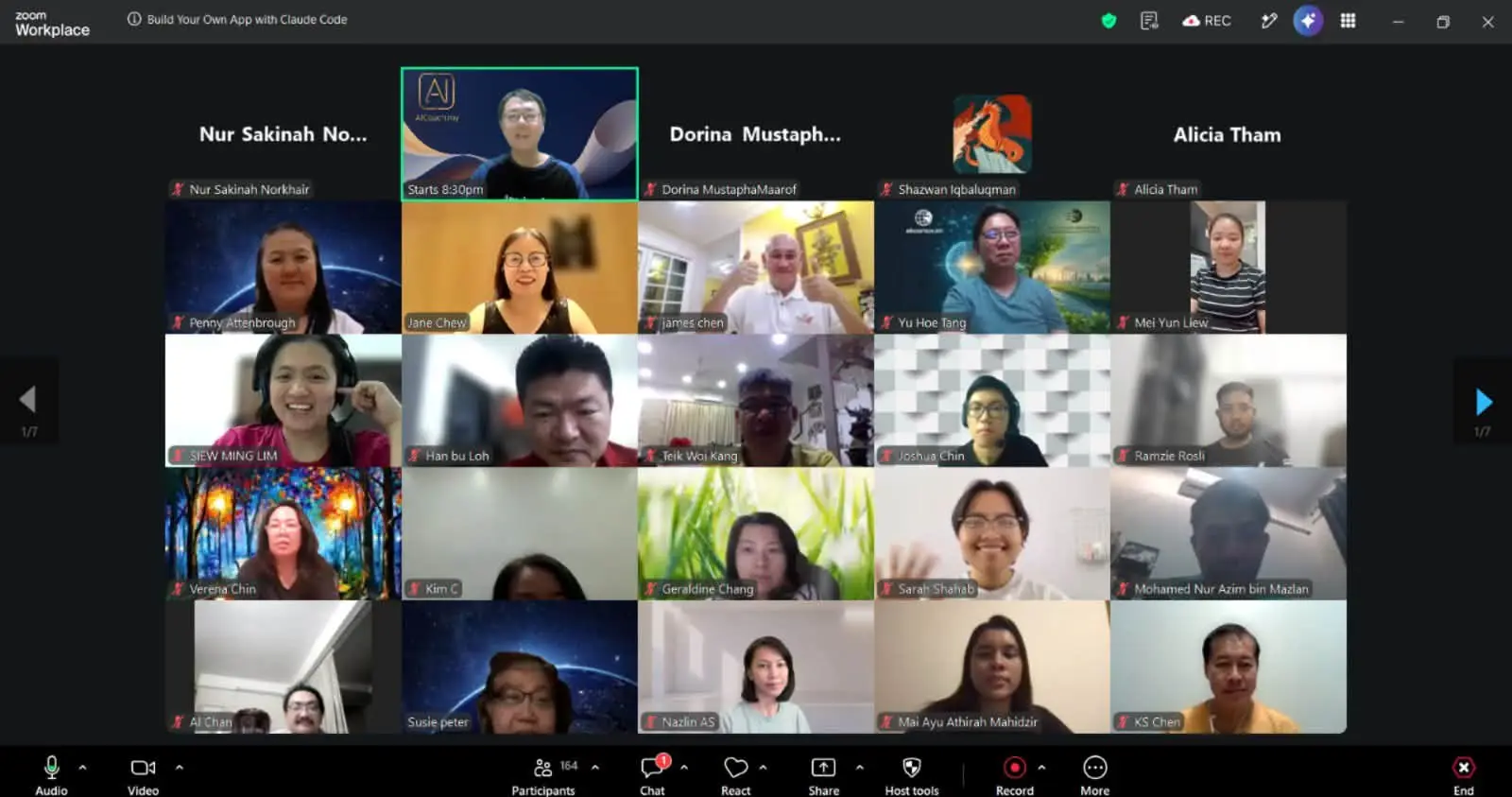
A National Training Week session on the Claude ecosystem, building a working web app live, and publishing it. Over 300 registered and more than half turned up on the night.
Read the post →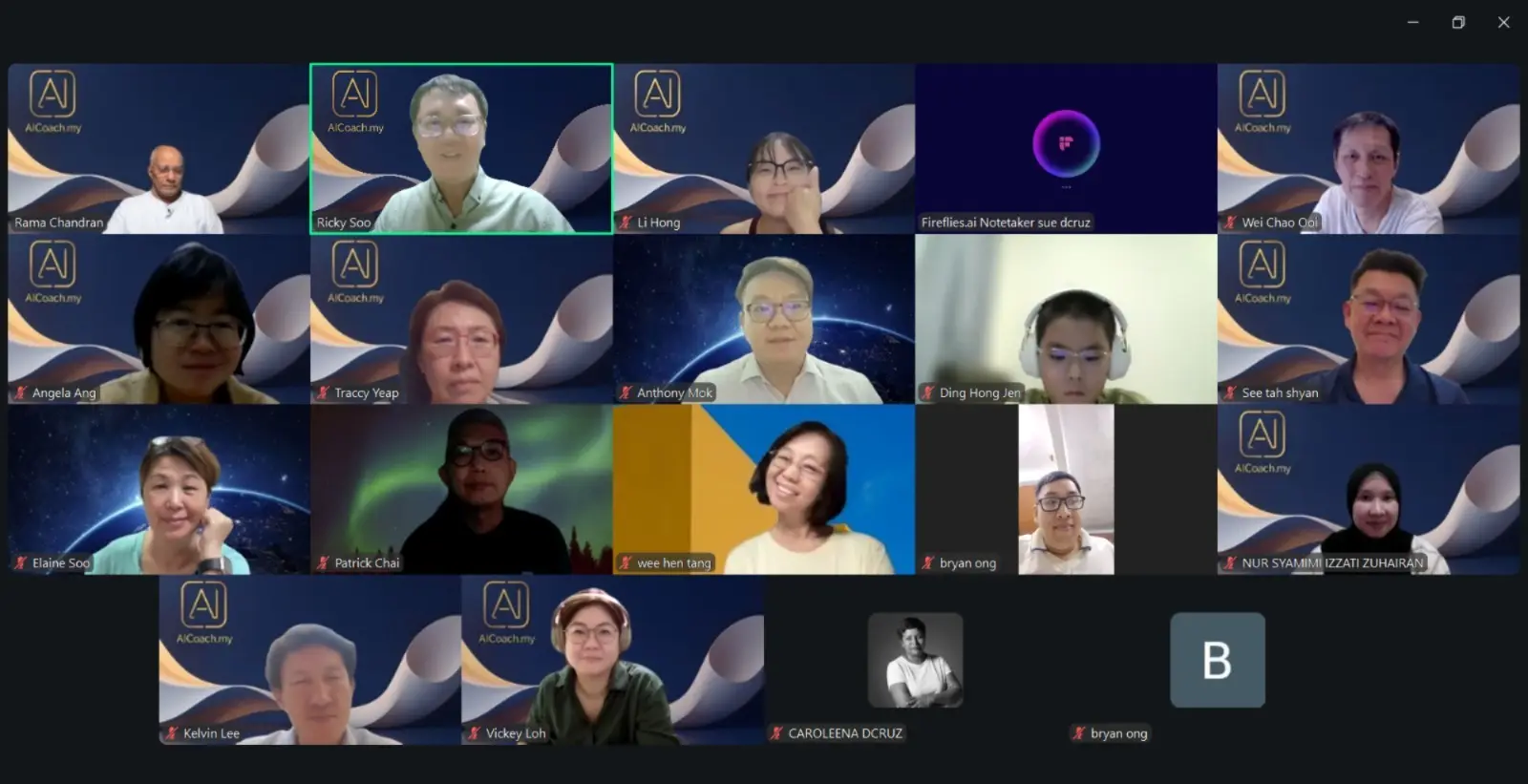
Session one covered prompting, fact-checking and artifacts. Several participants had already turned it into real reports and dashboards for their own work.
Read the post →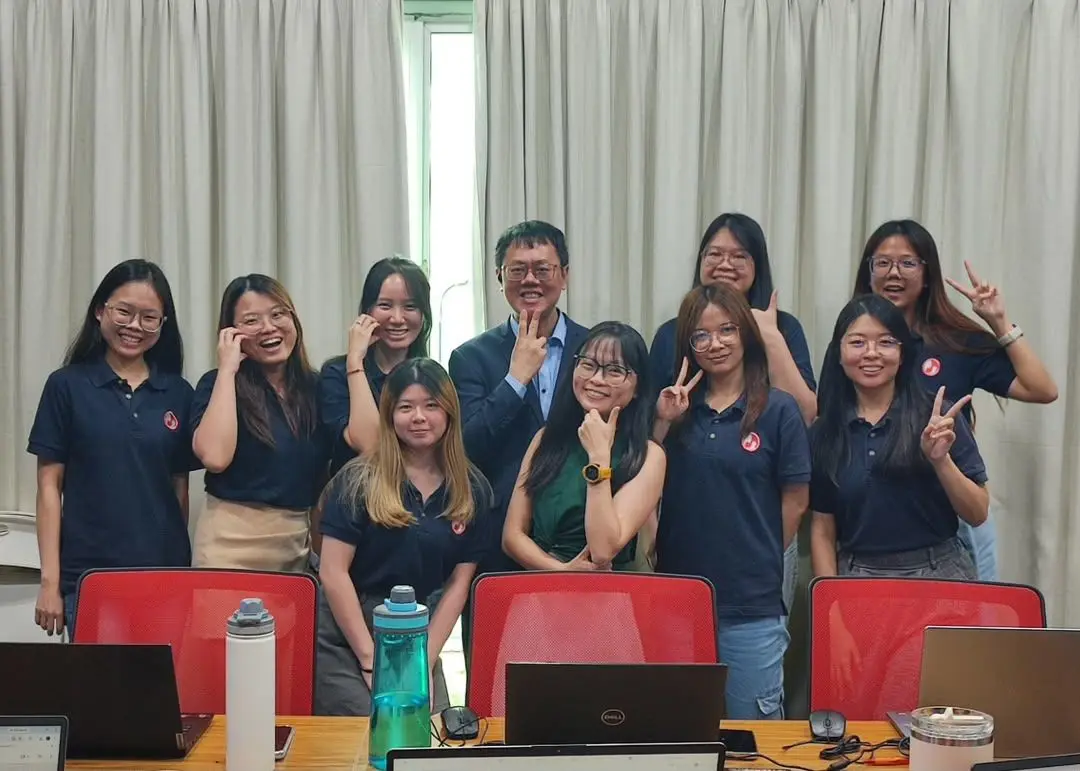
一支由文案、社交媒体与市场推广人员组成的团队,用一天时间学提示词、AI 生图,还亲手做出自己的 AI 工具。全程华语,节奏从头快到尾。
Read the post →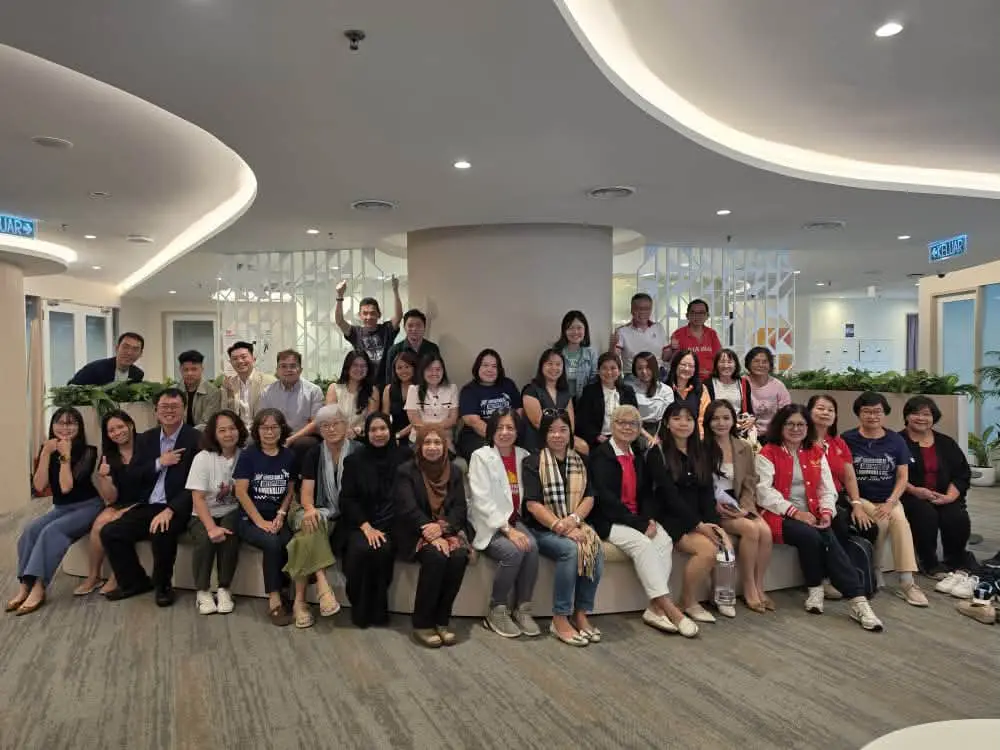
A third group came through for a full day of hands-on corporate AI training, closing out with a round of thumbs up instead of the usual wrap-up slide.
Read the post →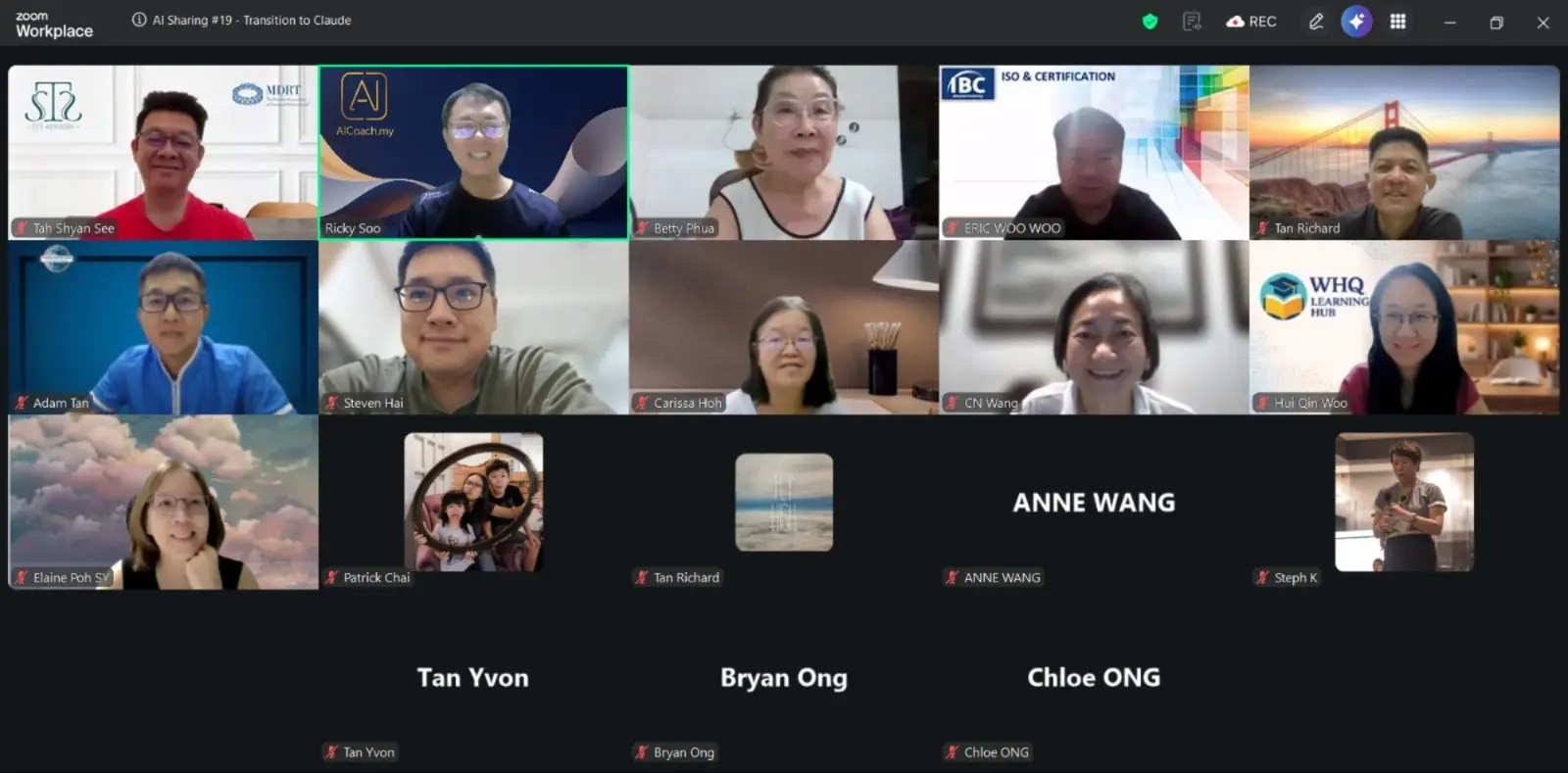
Past participants from several programs came back for one evening to see what Claude does differently, and how to bring their AI memory across with them.
Read the post → Demo Day #18 ran through a currency tracker, a burnout monitor, a property defect form and eight more, all built by people with no programming background.
Read the post →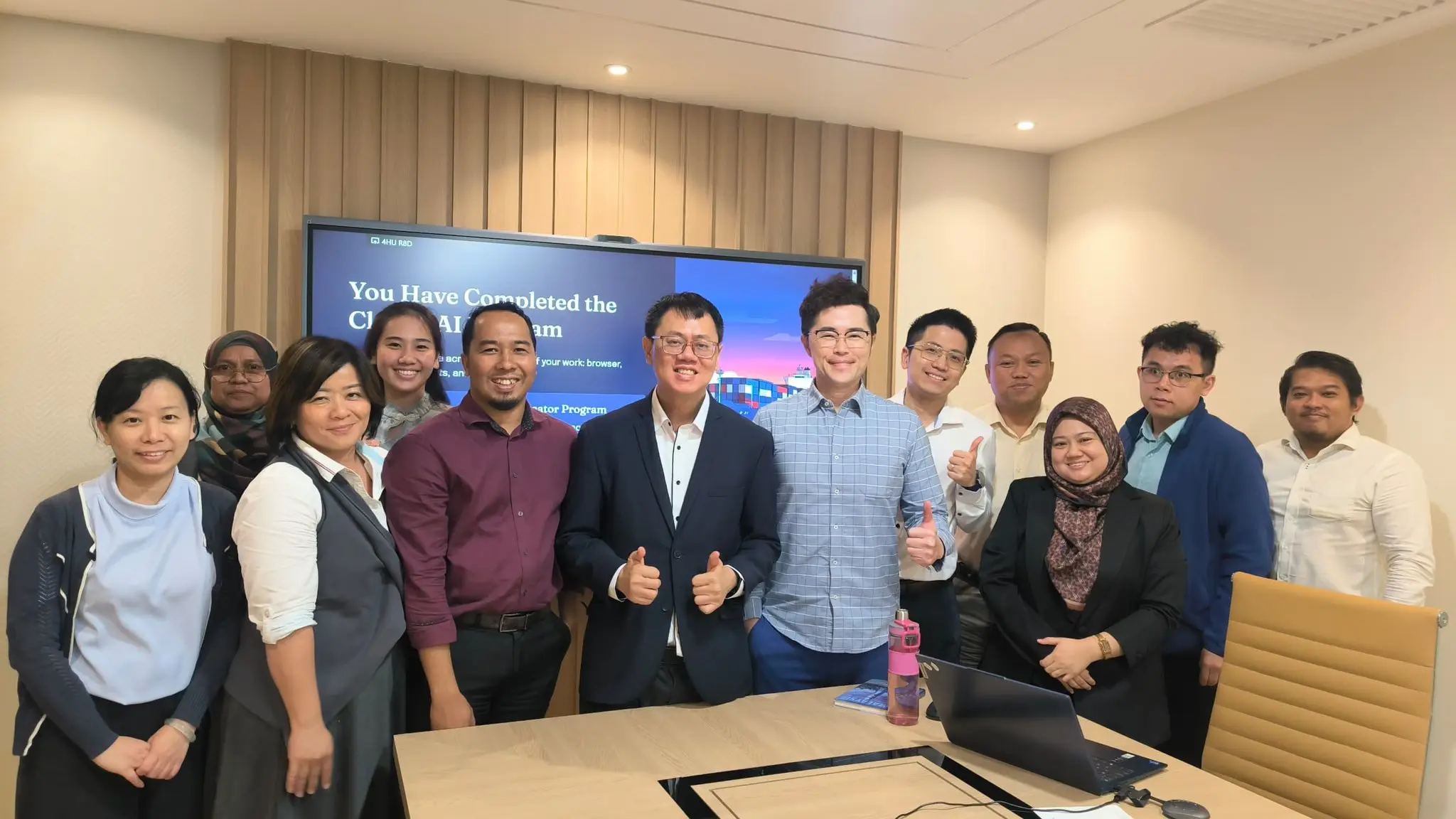
A company brought us in for two full days on Claude AI. Two groups through the same boardroom, and a lot of work that will not be done by hand again.
Read the post →
A four-hour vibe coding session in two halves: a React website built and deployed before the break, then a full-stack calculator the company can put in front of its own customers.
Read the post →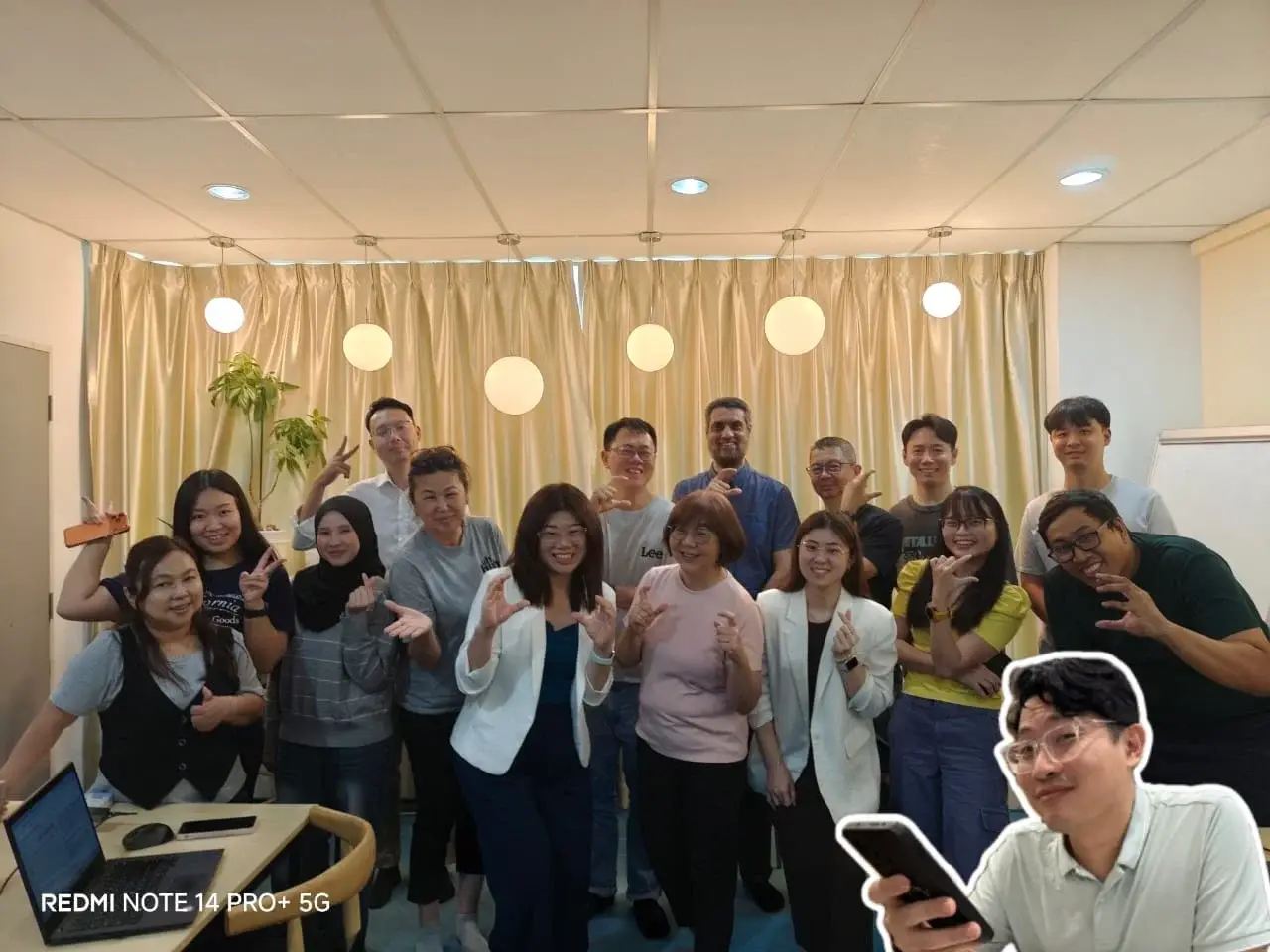
What Claude can actually do, how to automate WhatsApp with it, and how to get more done using Claude Skills. Then everyone built something.
Read the post →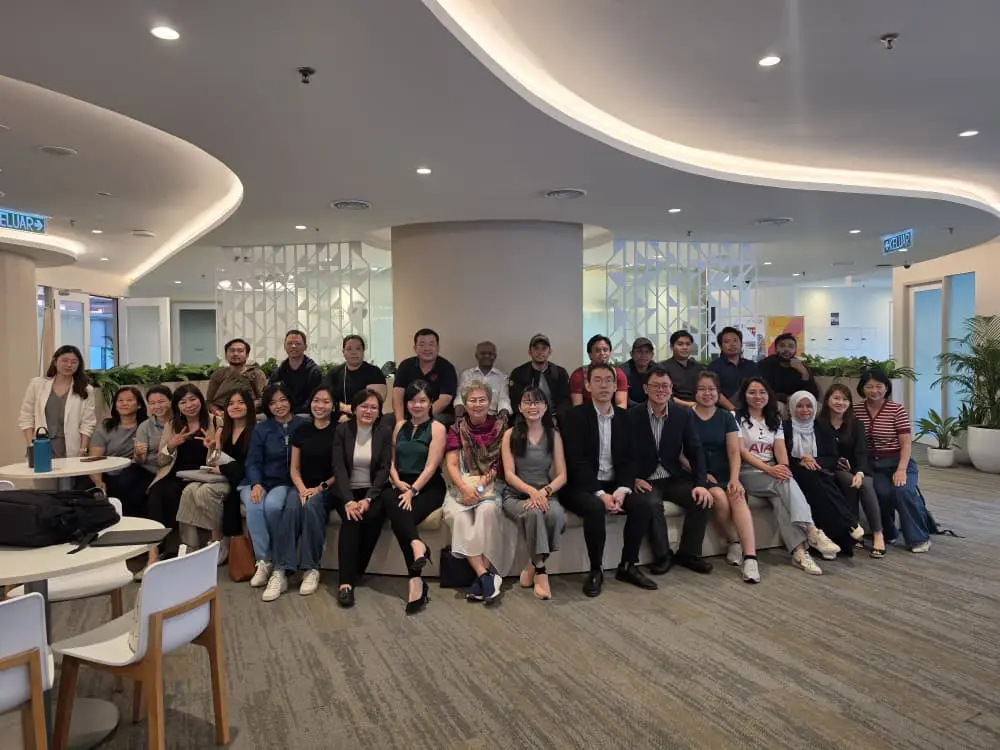
A second group came through for a full day of hands-on, in-house AI training on a high floor above the city, with the mic passed table to table long before anyone asked.
Read the post →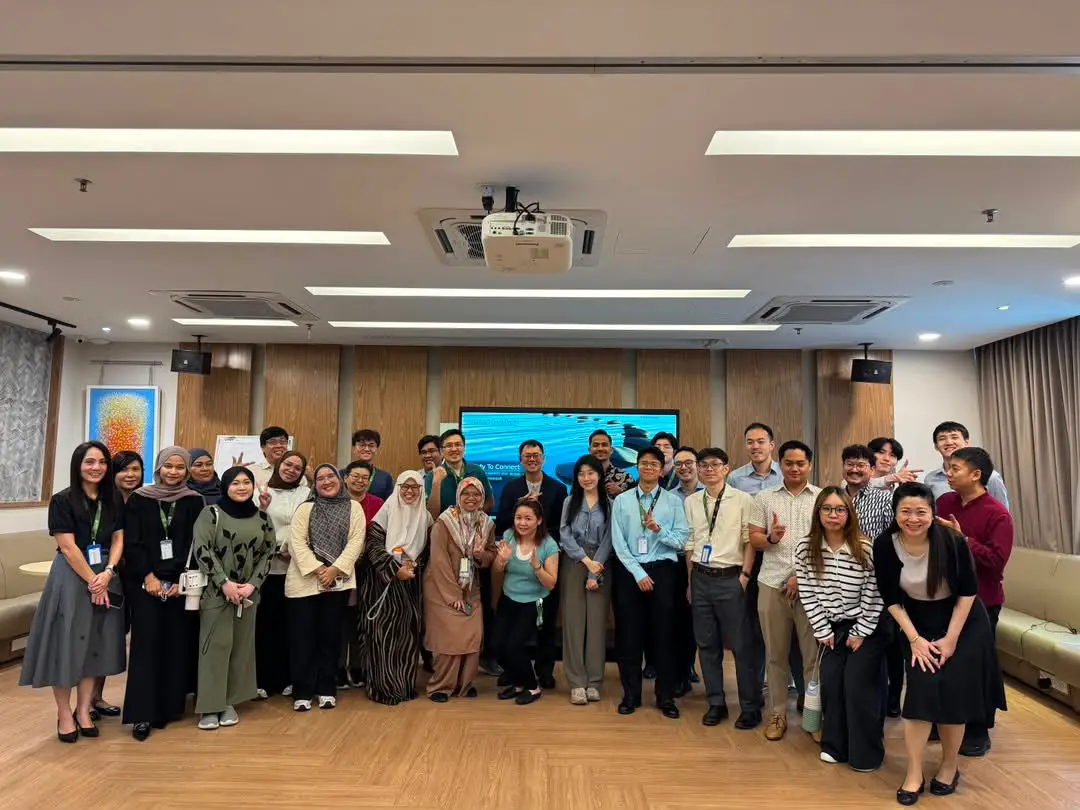
A session with an asset management team on letting Claude handle inbound enquiries, log them to a spreadsheet, and start conversations. No code involved.
Read the post →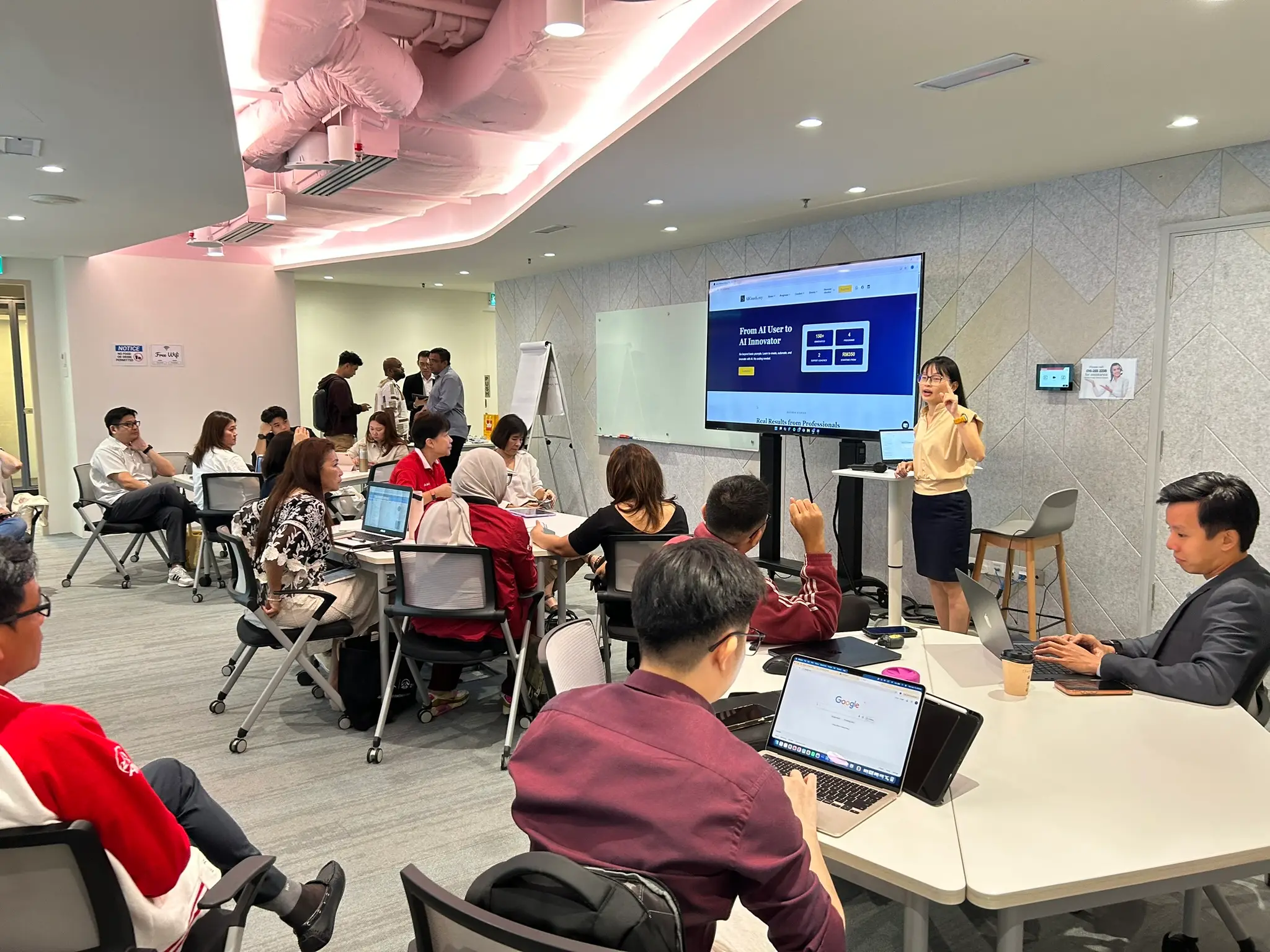
Advisors spent a full day of hands-on, in-house AI training built around their own client work, the first stop in a corporate AI training series running across Malaysia this year.
Read the post →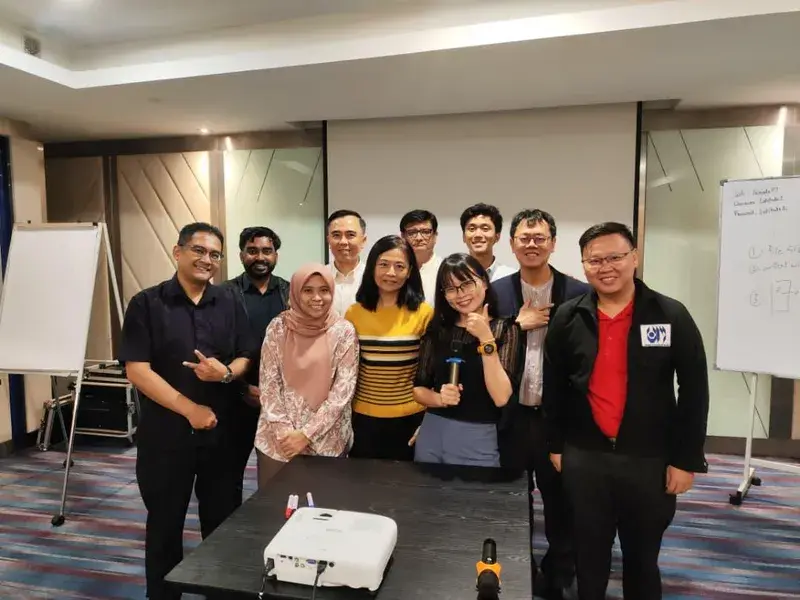
AI Builder for Work ran again in May. Admin staff, marketers, sales people and coordinators, none of them technical, all of them leaving with something that works.
Read the post →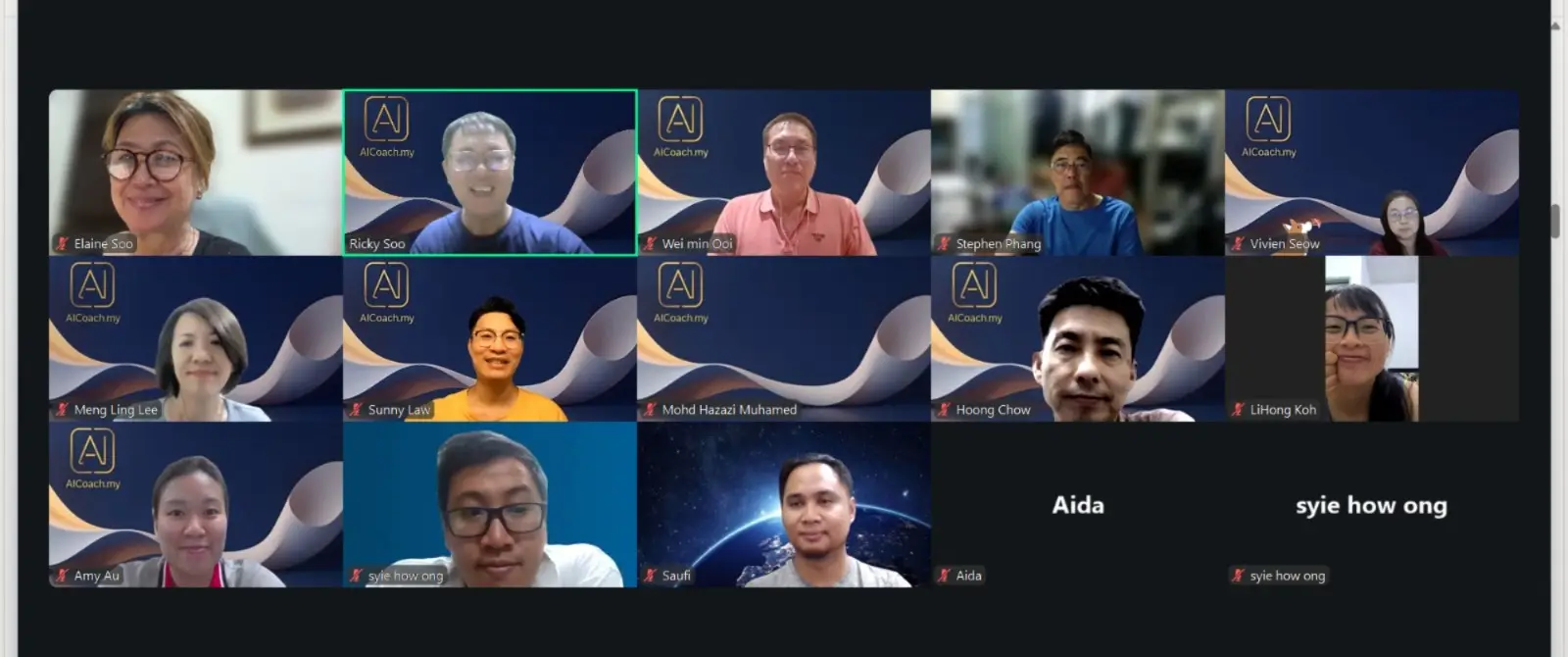
The pioneer group started with projects, custom skills, and the browser extension. Being first means nobody can tell you how it usually goes.
Read the post →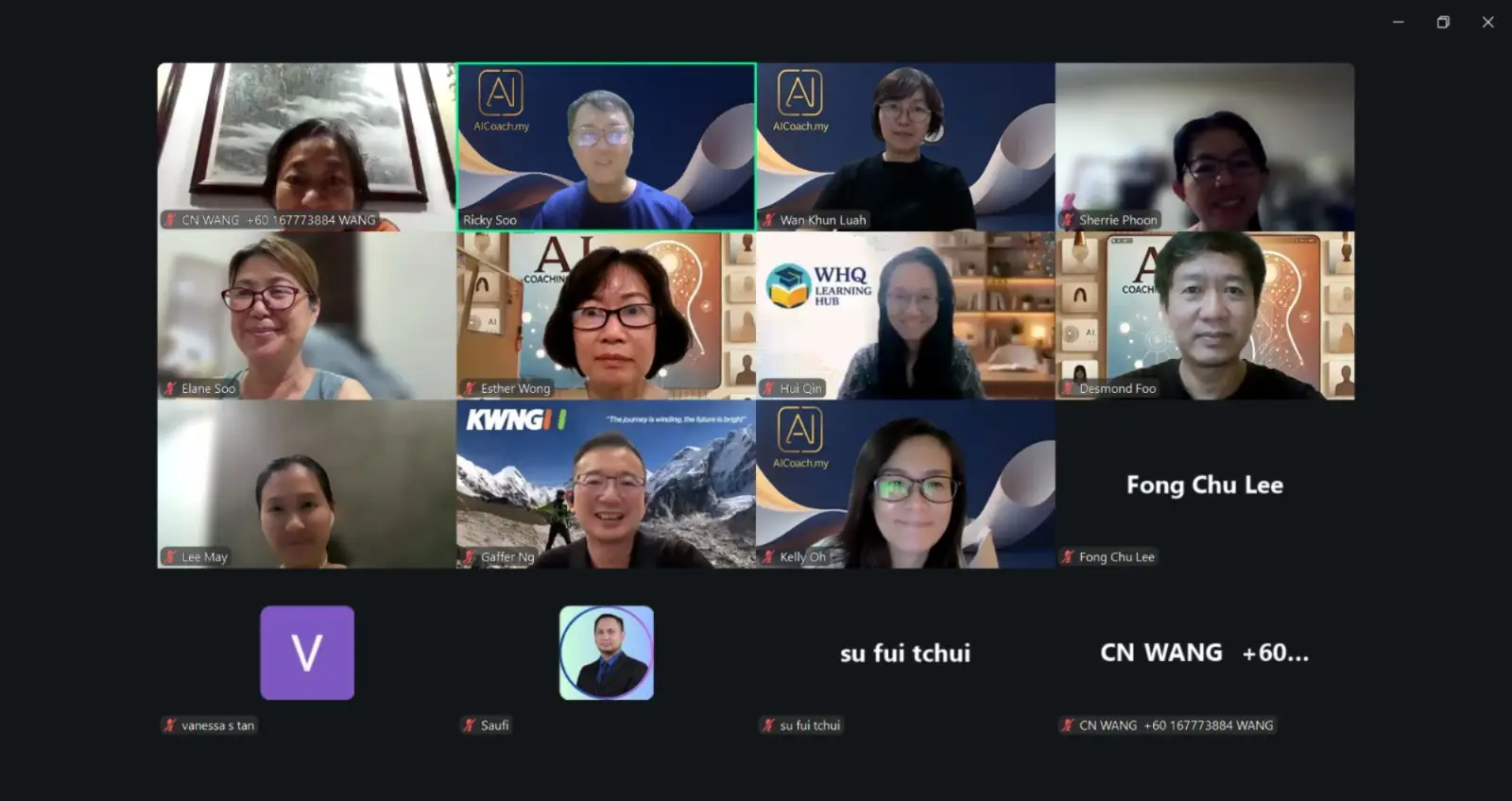
A hands-on hour installing an AI add-in for Excel, building dashboards, and running a real salary equity analysis on a school administrator's data.
Read the post →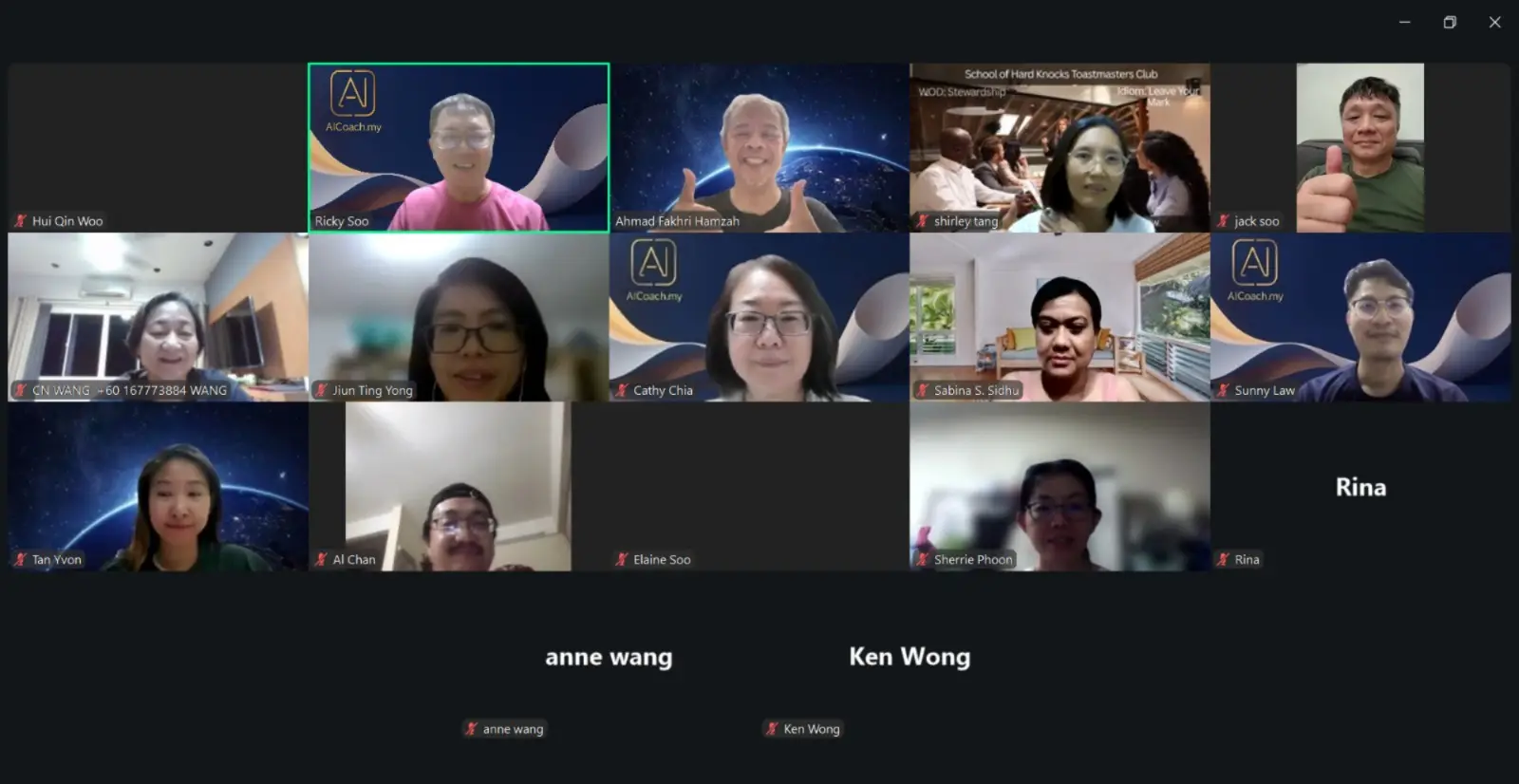
A bilingual business diagnostic, a financial ratio analyser, and a family planning tool - the apps three participants built to complete the Google AI Program.
Read the post →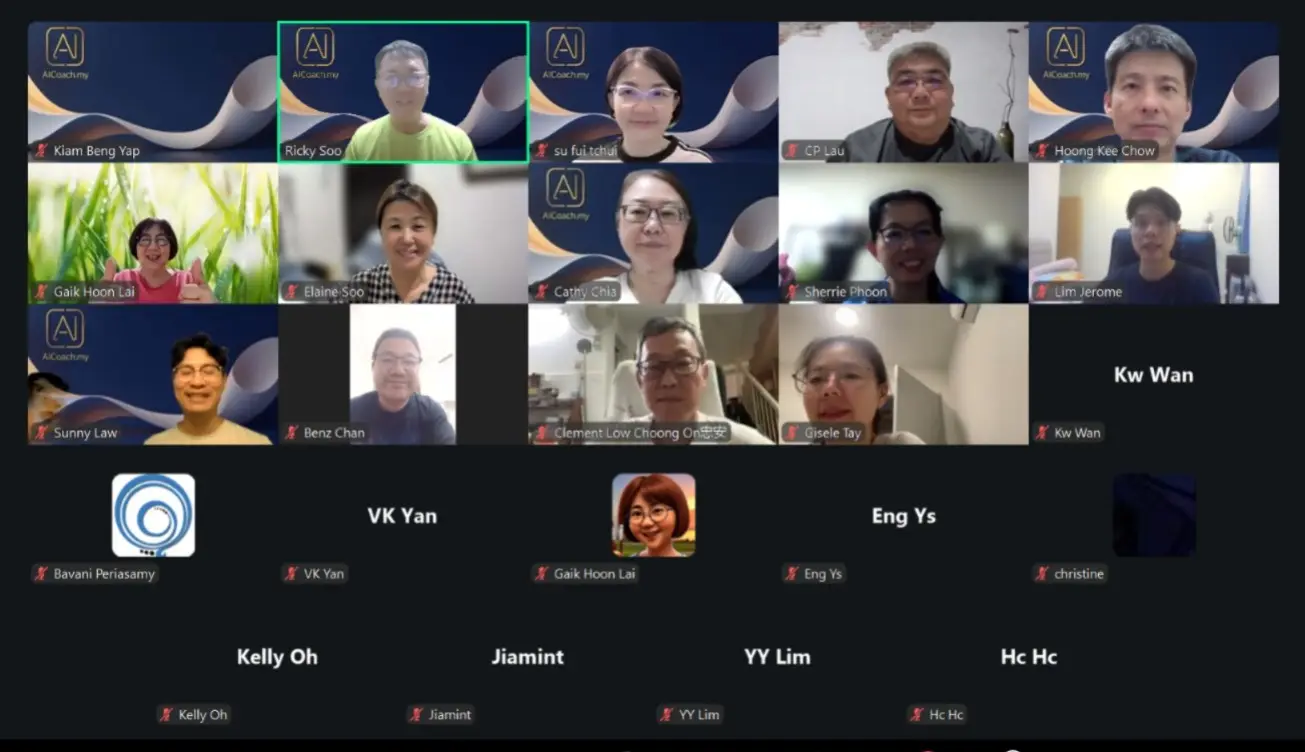
Three participants from Groups 19 and 21 presented working apps: a health planner, a decision compiler, and a platform matching parents with tutors.
Read the post →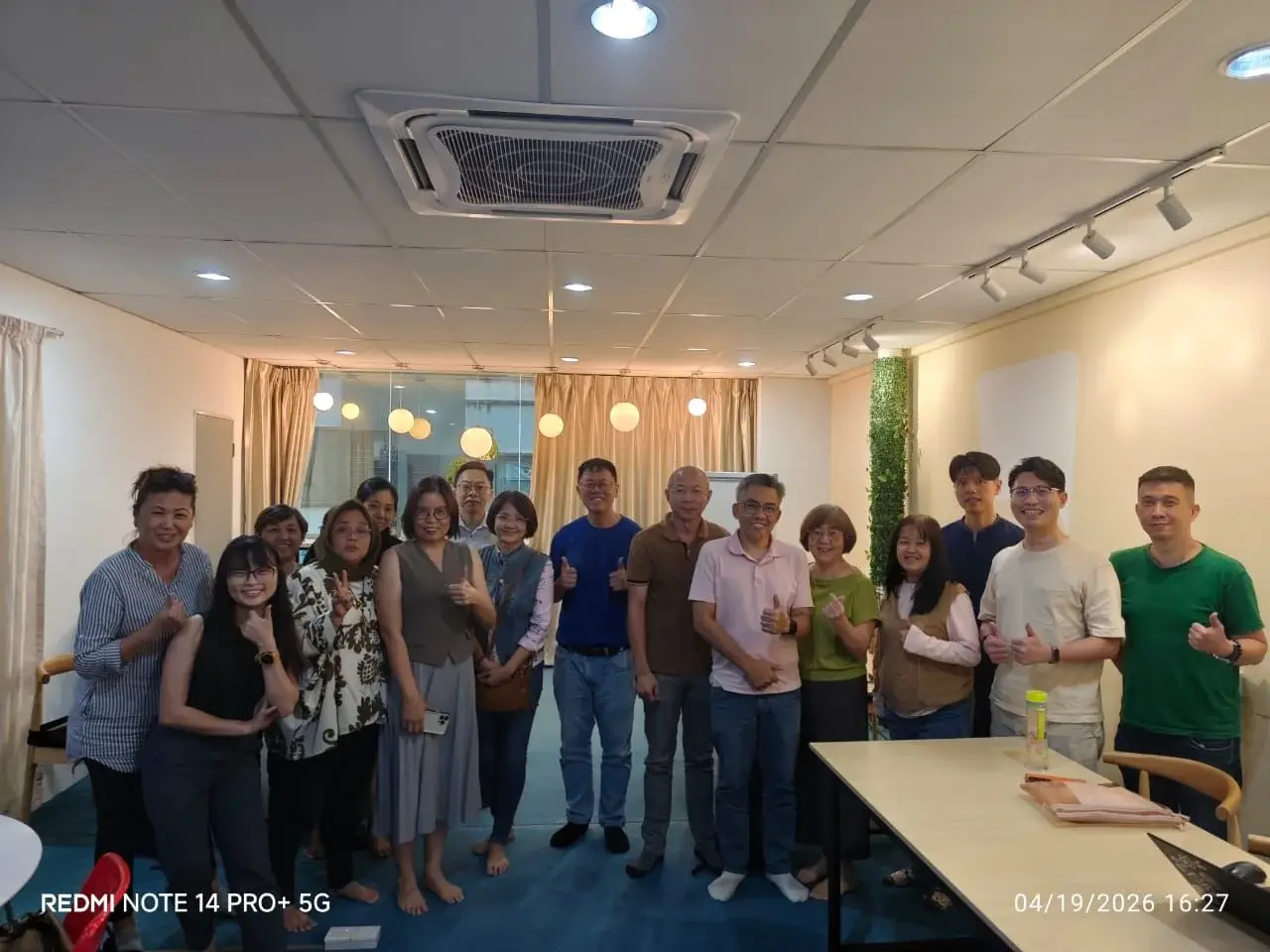
Two talks on why a language app keeps people coming back every day, and what small businesses can borrow from it. Then three hours of building.
Read the post →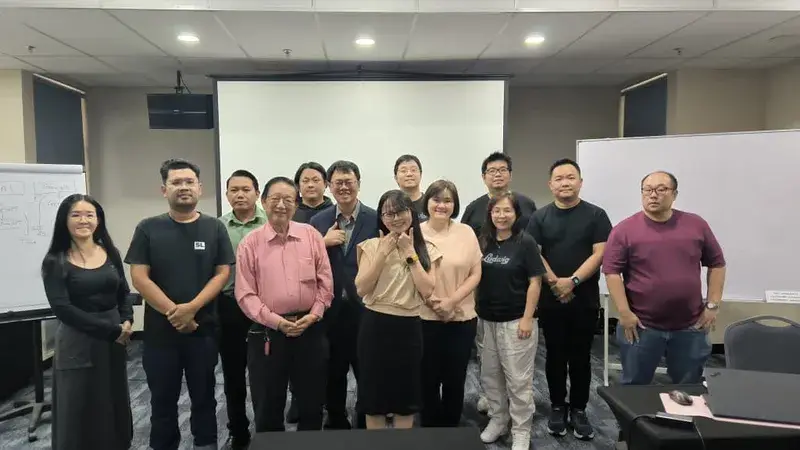
Two days of AI Builder for Work in Petaling Jaya. Day one for people who have barely touched these tools, day two for people ready to build with them.
Read the post →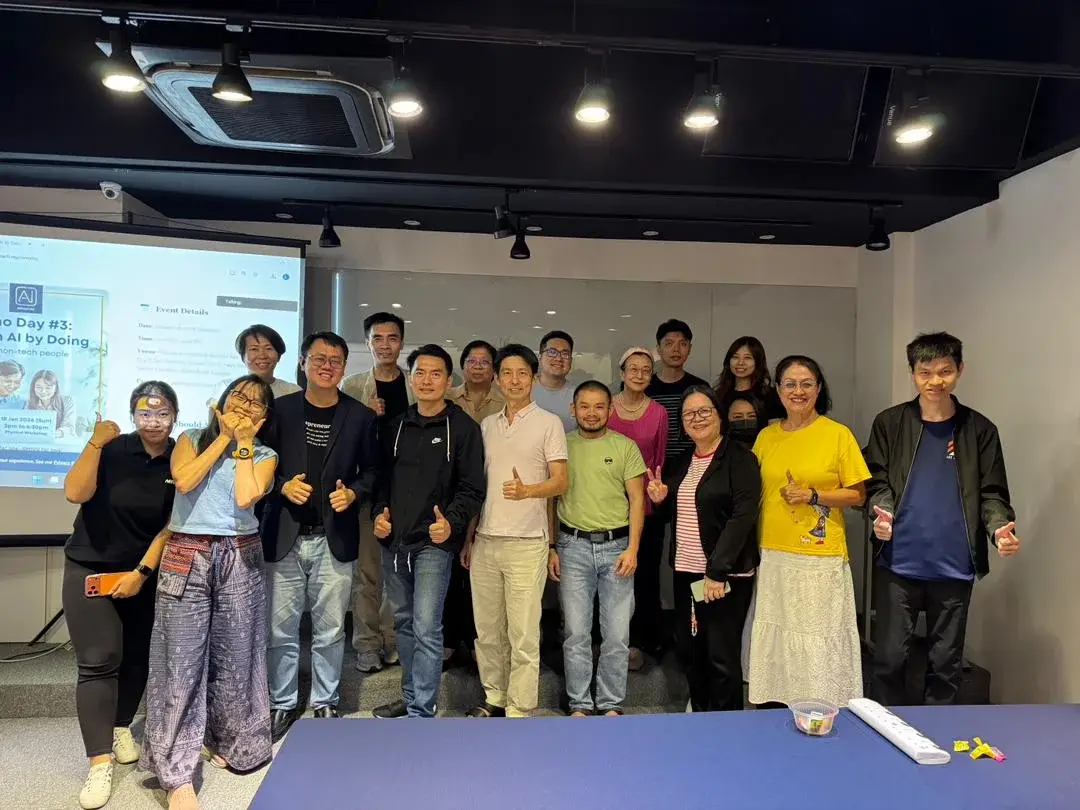
Three talks, then everyone opened a laptop and built. A calendar app, a feedback tool, and a website - all made in one Sunday afternoon in January.
Read the post →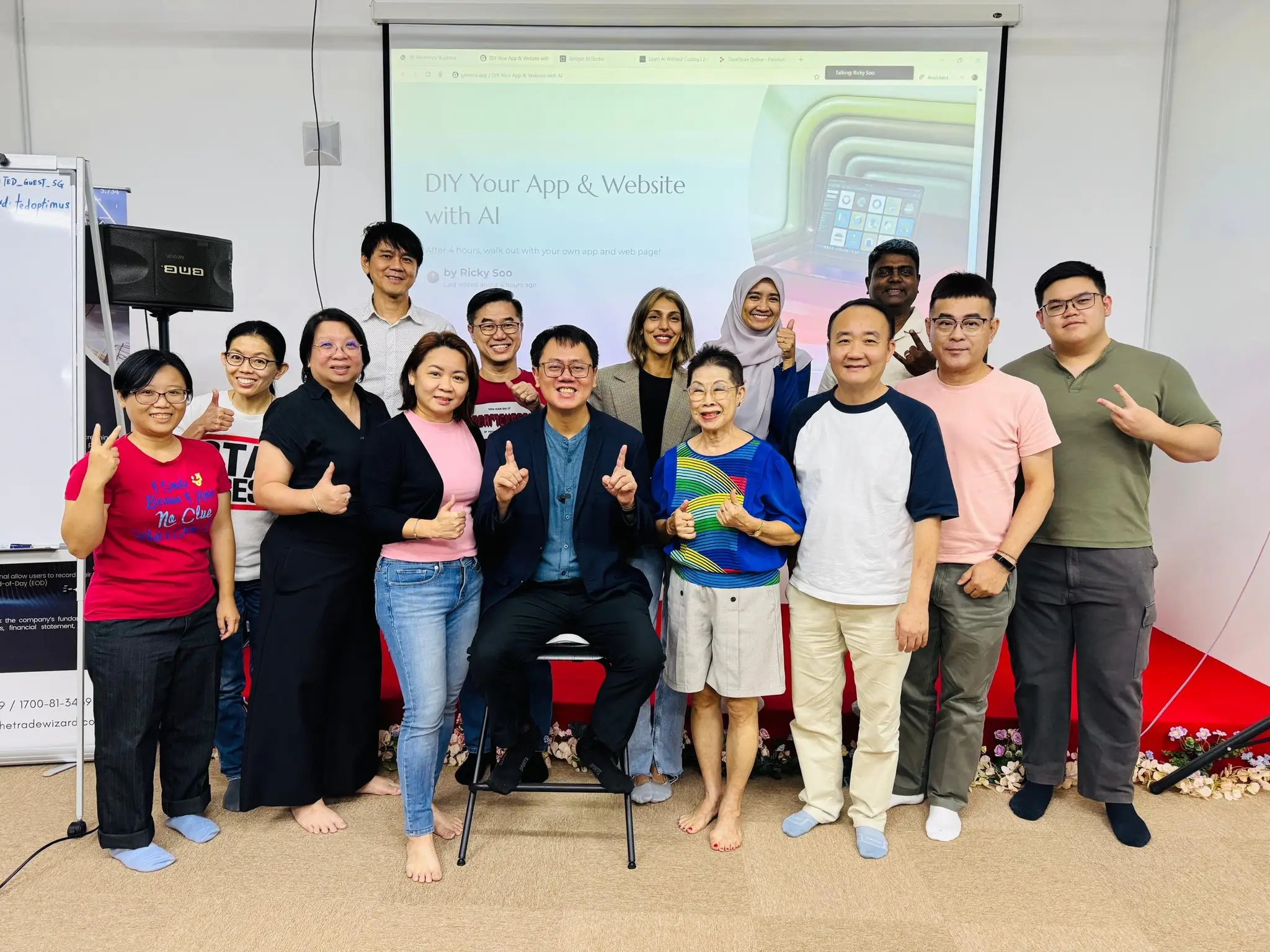
The DIY Your App & Website with AI workshop: write a product requirement document, build a functional app with no coding, and share it for people to try.
Read the post →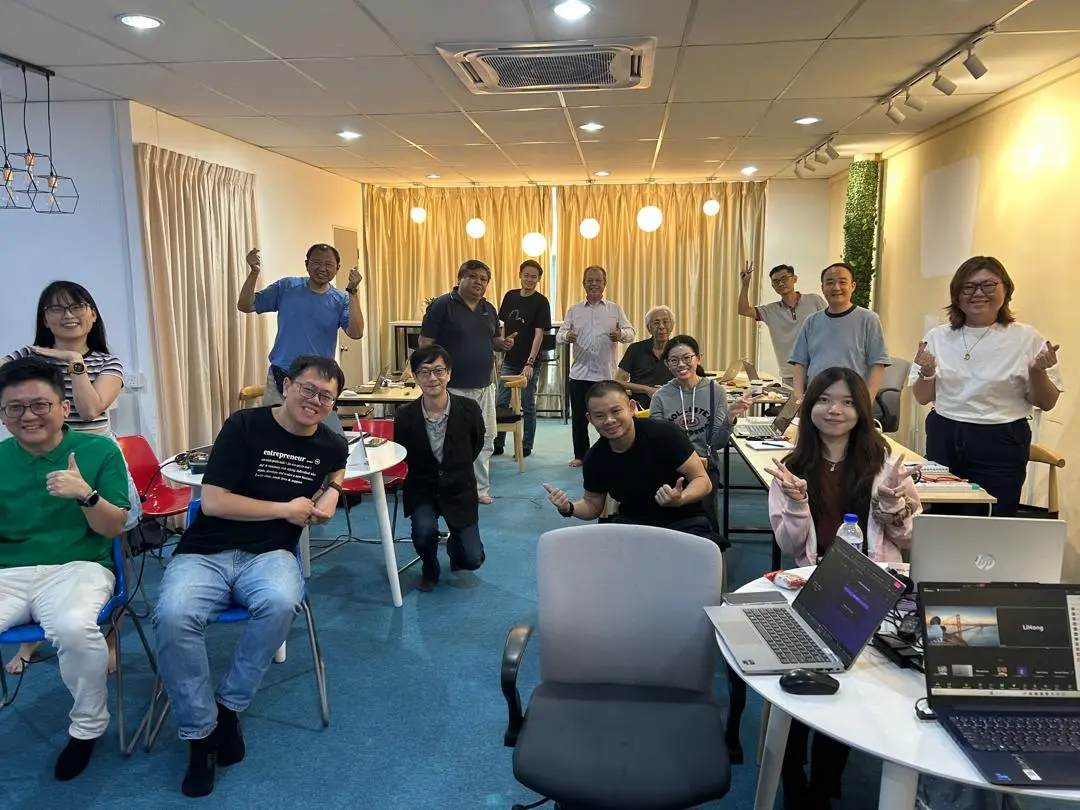
Three talks from Yee Peng, Li Hong and Ricky Soo, then a room full of people building nutrition assistants, speechwriting tools and an accounting website.
Read the post →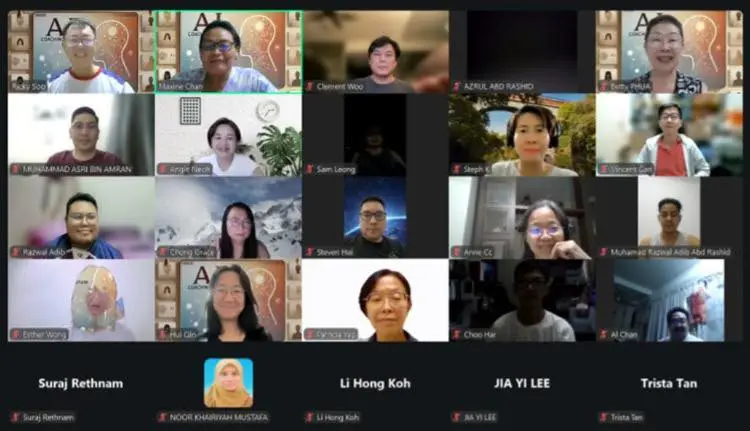
An hour on Google's Gemini: generating and editing images with Nano Banana, and building Gems, the small custom assistants that save repeat work.
Read the post →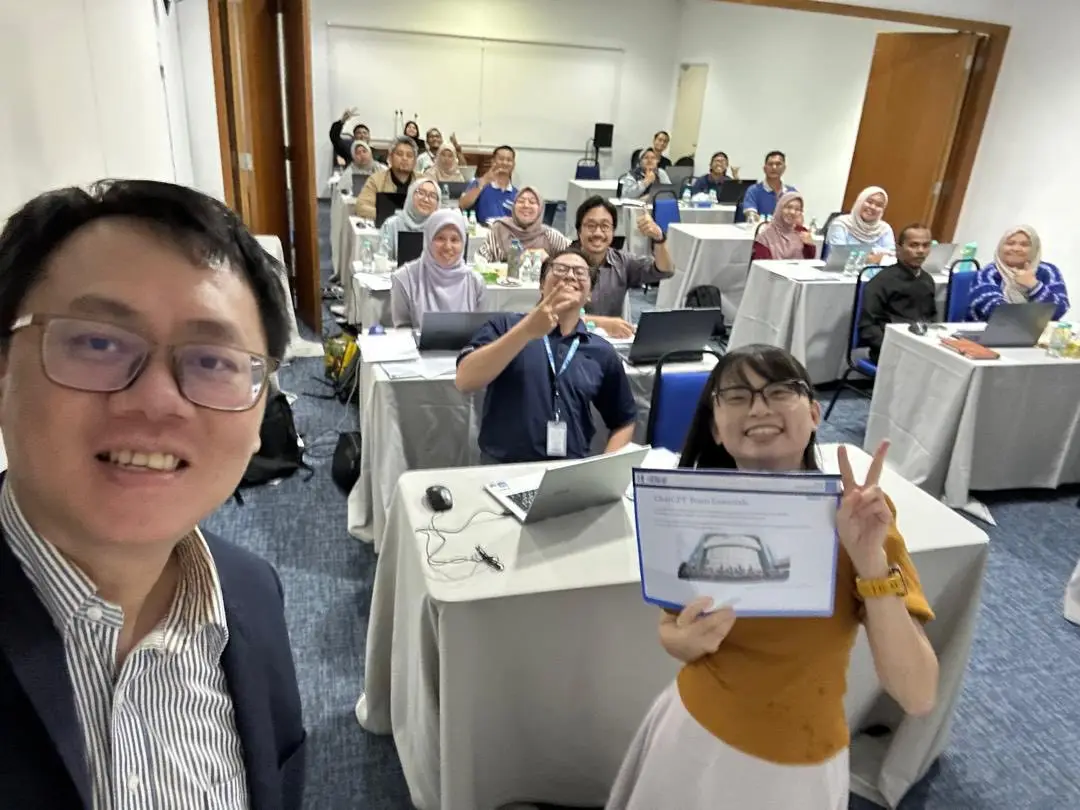
Akaun pasukan, kejuruteraan prompt dan Custom GPT, dijalankan dua kali dalam sehari untuk pihak pengurusan dan kakitangan jabatan sebuah pengeluar bekalan perubatan.
Read the post →
An AI agent can answer customer questions, draft content and watch your data overnight. Start by naming the one job you want it to own.
Read the post →
The old website chatbot answered five questions and gave up. An AI chatbot reads your own material and answers in your own words instead.
Read the post →
The tasks worth automating are rarely the big ones. They are the small repeats nobody notices until you add up the hours they quietly take.
Read the post →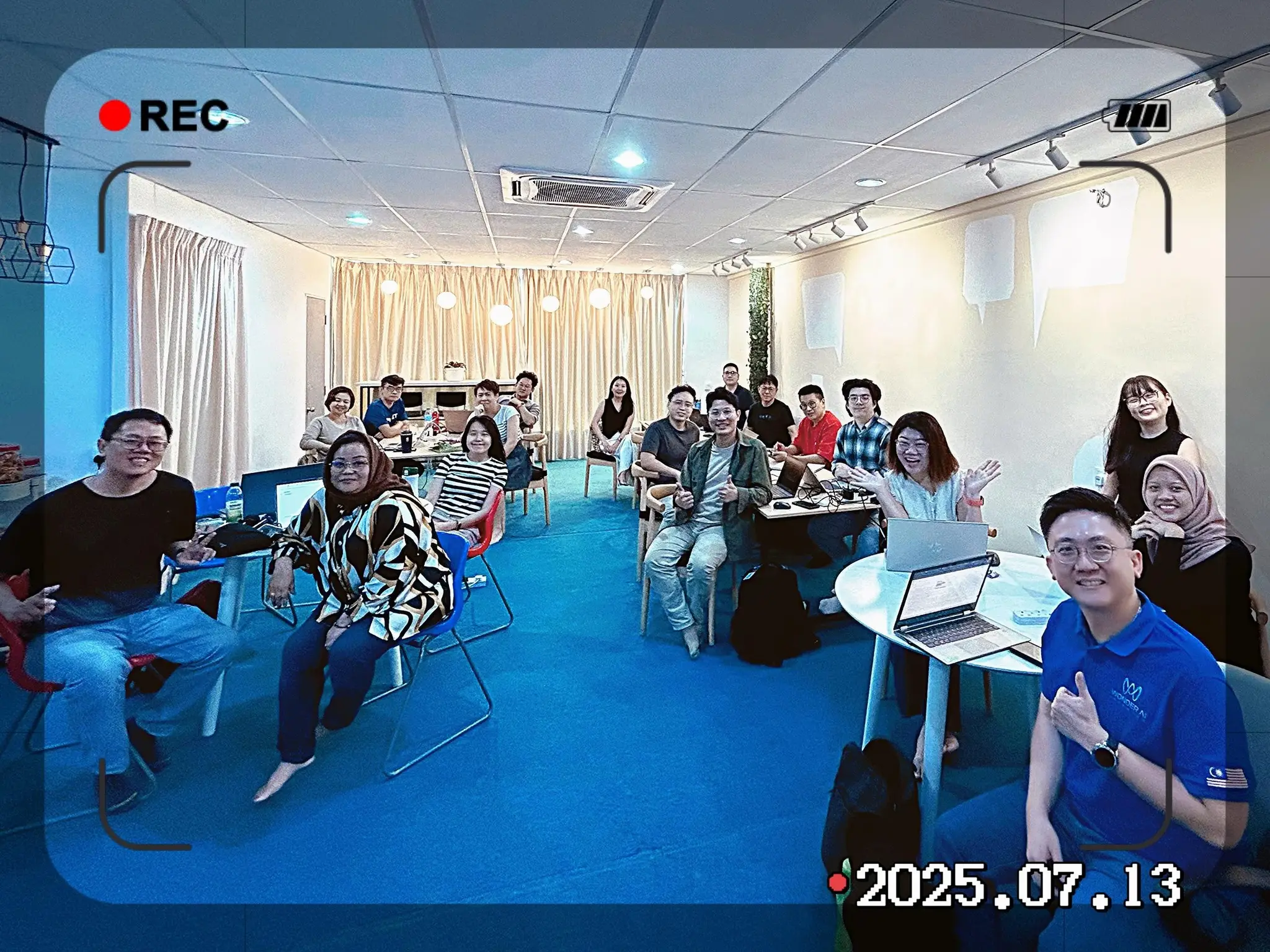
The first Inno Day packed Keep In Touch Co-Working Space for over three hours of building websites, AI agents and automations from scratch.
Read the post →
AI is poor at knowing what you want to say and good at getting it said. Used in that order, it turns a blank page into a working draft.
Read the post →
A form does not have to just collect a name and sit there. With AI behind it, it can answer, qualify, book and follow up on its own.
Read the post →
A chatbot with a personality is not a gimmick. Character shapes how people talk to it, and how much they are willing to tell it.
Read the post →
Someone floated the idea of an AI that reads palms. Three months later it was live, with a seven-episode video story attached.
Read the post →
The useful assistants are not the ones that think for you. They are the ones that handle the admin around the thinking.
Read the post →
Good ads are usually the tenth version, not the first. AI matters because it makes getting to the tenth version cheap.
Read the post →
People remember how a brand made them feel long after they have forgotten what it claimed. That feeling is something you can work on deliberately.
Read the post →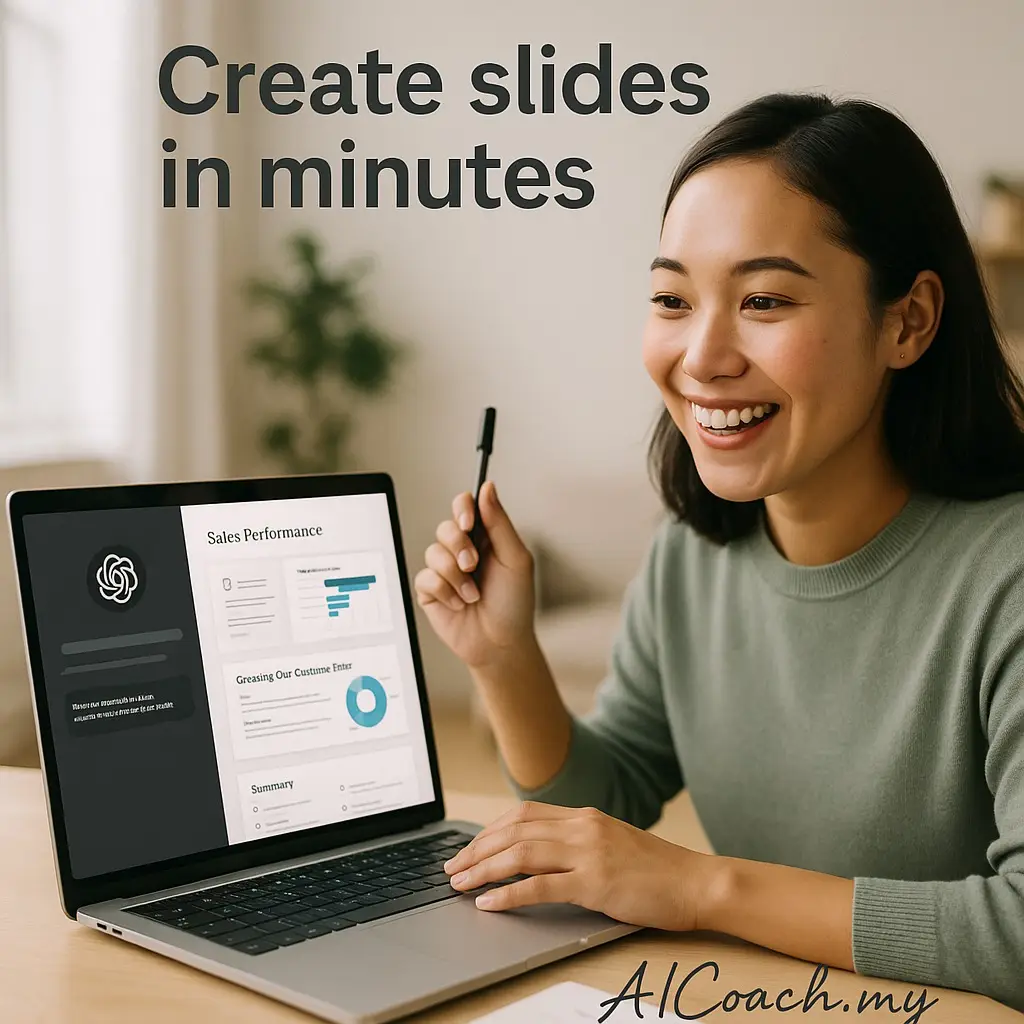
Brainstorm with AI, then let a design tool turn the content into slides. The point is not speed for its own sake - it is getting a draft to react to.
Read the post →
The hardest part of a first product is not building it. It is finding out whether anyone wants it before you have spent six months.
Read the post →
One line from a participant sums up the change better than anything we could write. Previously the non-tech could not do anything. But now they can do it.
Read the post →
A spreadsheet, a writing tool and a connector are enough to keep a posting schedule running without anyone remembering to post.
Read the post →
We expected the technical sessions to be the memorable ones. Some of the tools people liked most were the ones that simply said something kind.
Read the post →
One prompt trying to do five jobs usually does none of them well. Splitting the work between several agents is what changes the output.
Read the post →
Most business software works fine alone and badly together. Connecting them is usually a bigger win than adding another tool to the pile.
Read the post →
How you say a thing shapes what comes back, whether you are talking to a person or to a model. Vagueness in, vagueness out.
Read the post →
Naming it, writing the instructions, choosing the conversation starters. Building a Custom GPT works better as a group activity than a solo one.
Read the post →
One business owner automated about 80 percent of their e-invoicing work with AI. Less data entry, faster payments, and it is not only for big companies.
Read the post →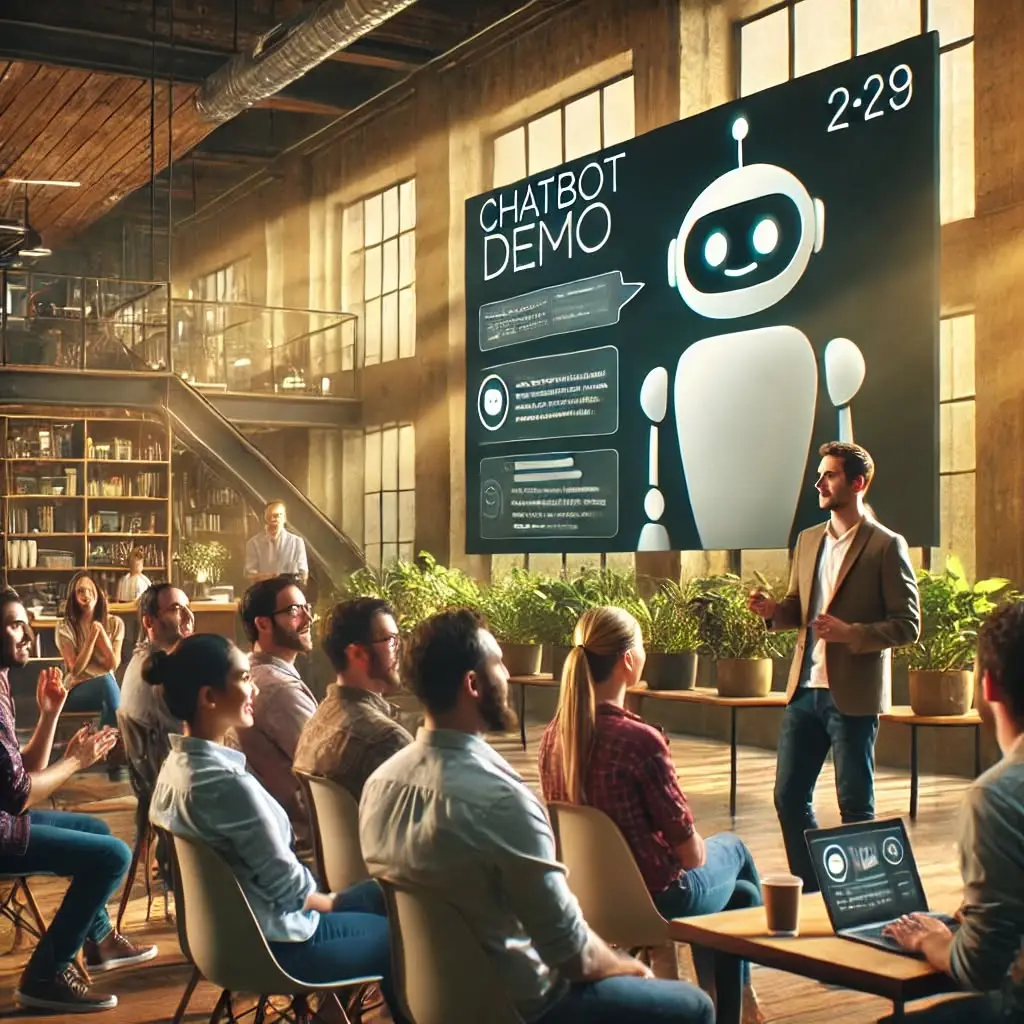
A good chatbot is not clever. It is the receptionist who greets everyone, answers the ordinary questions, and passes on the ones that need you.
Read the post →
What made Iron Man's assistant appealing was not the technology. It was that it anticipated, decided and acted without being asked twice.
Read the post →
A blog post, a Facebook post and a matching image, produced end to end without anyone touching a keyboard. The first run was rough. It got better.
Read the post →
Building a joke-telling GPT sounds like a waste of an afternoon. It teaches more about tone, instructions and taste than most serious projects.
Read the post →
The goal we keep coming back to is unglamorous. Give people who have never written a line of code the ability to build the thing they need.
Read the post →
We invented a law firm that does not exist, built its website, and gave it a chatbot. The point was to see how far an afternoon goes.
Read the post →
Flowcharts usually mean an hour of nudging boxes into alignment. Describing the process in plain text and letting the diagram draw itself is quicker.
Read the post →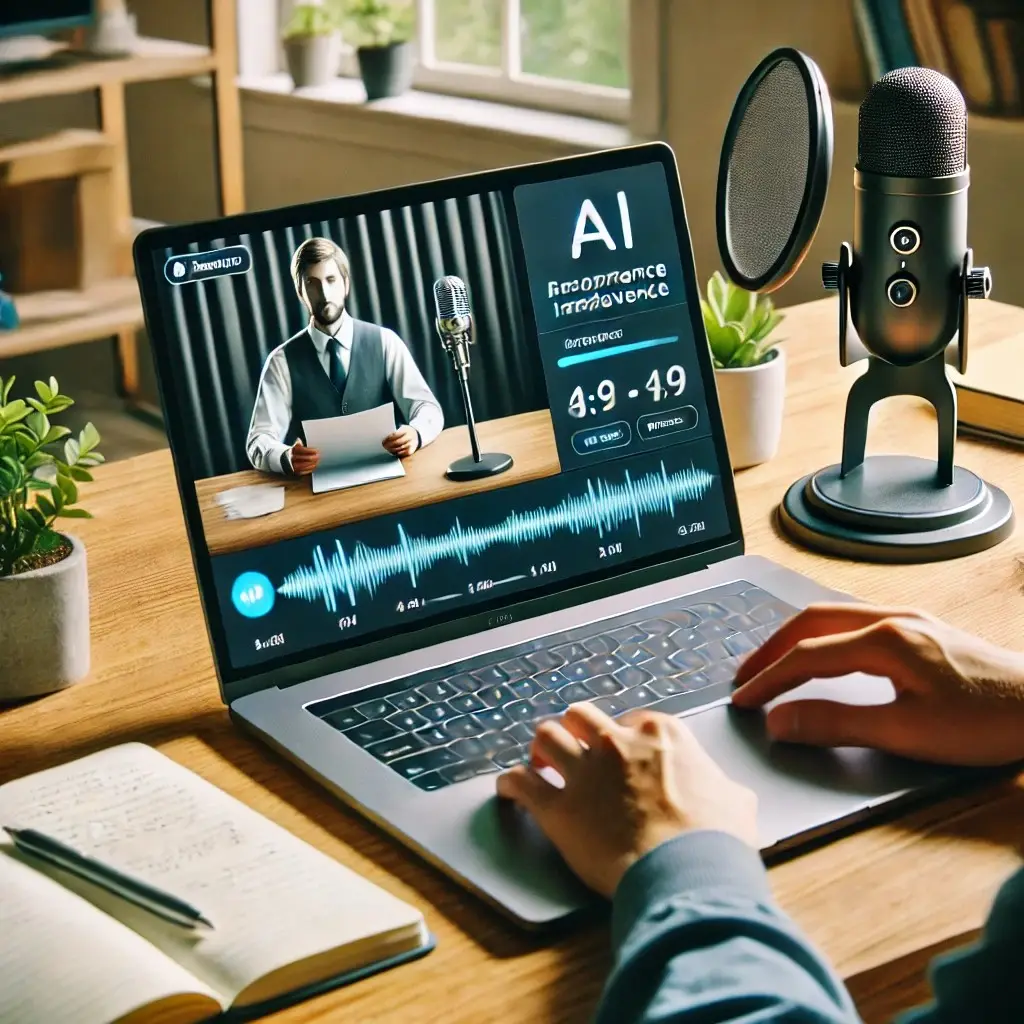
Most nerves before a talk come from not knowing whether the thing works. AI will not stand on the stage for you, but it will listen first.
Read the post →
Someone wanted the news that matters to them and nothing else. Getting there turned out to be less about fetching stories and more about choosing sources.
Read the post →
Getting AI to write an article is old news. Getting it to review the article against what search engines reward is the more useful trick.
Read the post →
A business report used to be a week of gathering and a weekend of writing. We built a version where you fill in a form and read the result.
Read the post →
Not everyone can produce a good pantun on demand. One participant built something that can, and it turned a chore back into a pleasure.
Read the post →
The same technology that makes it easy to produce convincing nonsense also makes it faster to check. Which side wins depends on how you use it.
Read the post →
A bot that listens to whatever is on your mind, replies with something useful, and emails you a summary afterwards. Built inside an app you already have.
Read the post →
A landing page is not a smaller website. It has a single job, and most of the craft is in removing everything that gets in its way.
Read the post →
The most useful way to picture AI in a small business is not a genius. It is a capable new hire who never gets bored of the boring parts.
Read the post →
The interesting part of AI in education is not the technology. It is what a teacher with twenty years of experience does once the paperwork shrinks.
Read the post →
Building a website used to mean HTML or a budget. In one session, people went from a topic to a published page in about ten minutes.
Read the post →
Some chatbots are a menu with extra steps. The difference between those and the useful ones is almost entirely what you feed them.
Read the post →
A session that turned into a debate. AI can produce endless variations of a thing, but variation is not the same as having something to say.
Read the post →
Checking prices by hand every morning is a habit, not a job. One session replaced it with a sheet that fills itself before anyone arrives.
Read the post →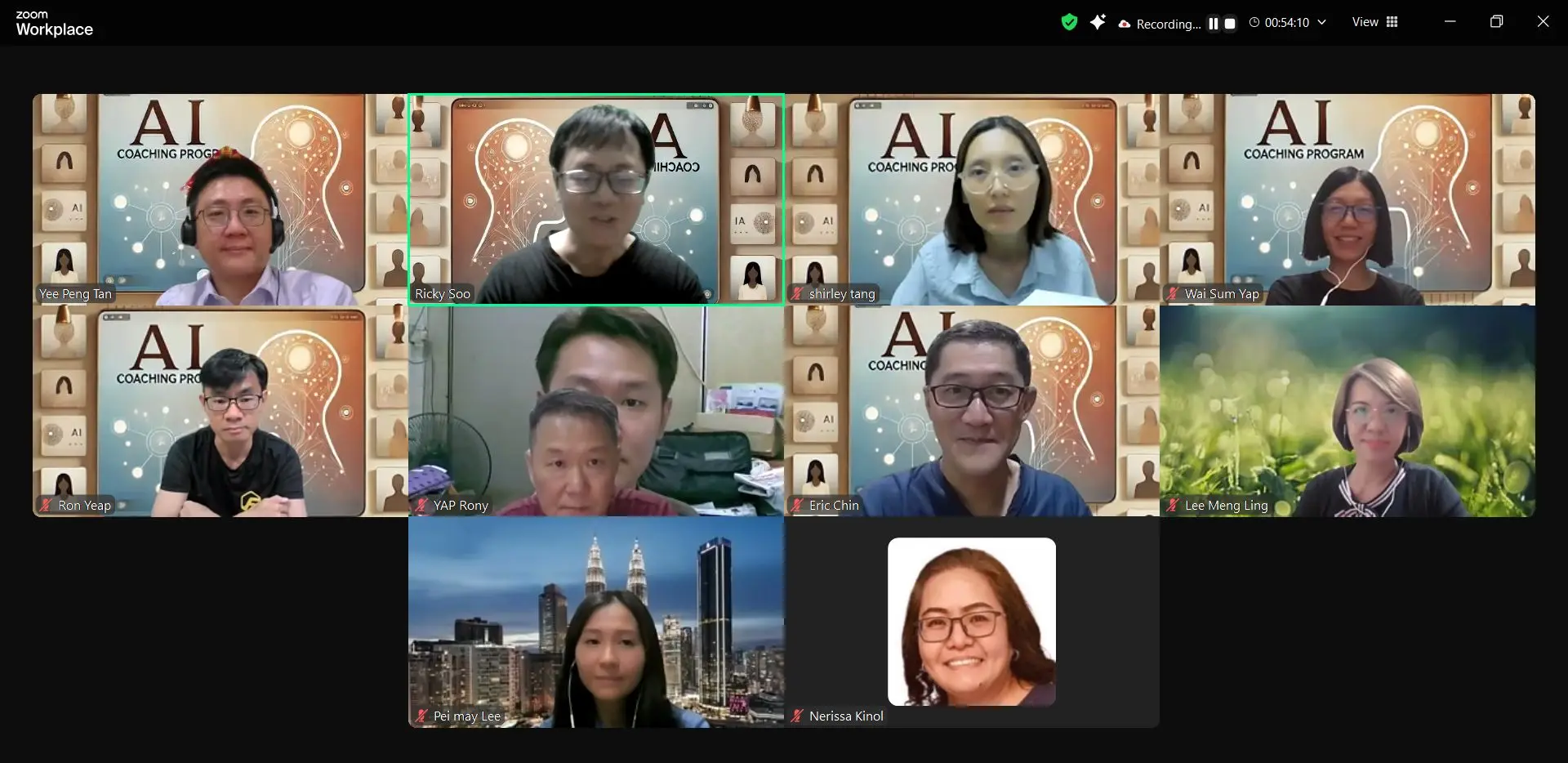
A demonstration of Google's Gemini and what changes when the AI can see and hear rather than only read what you type.
Read the post →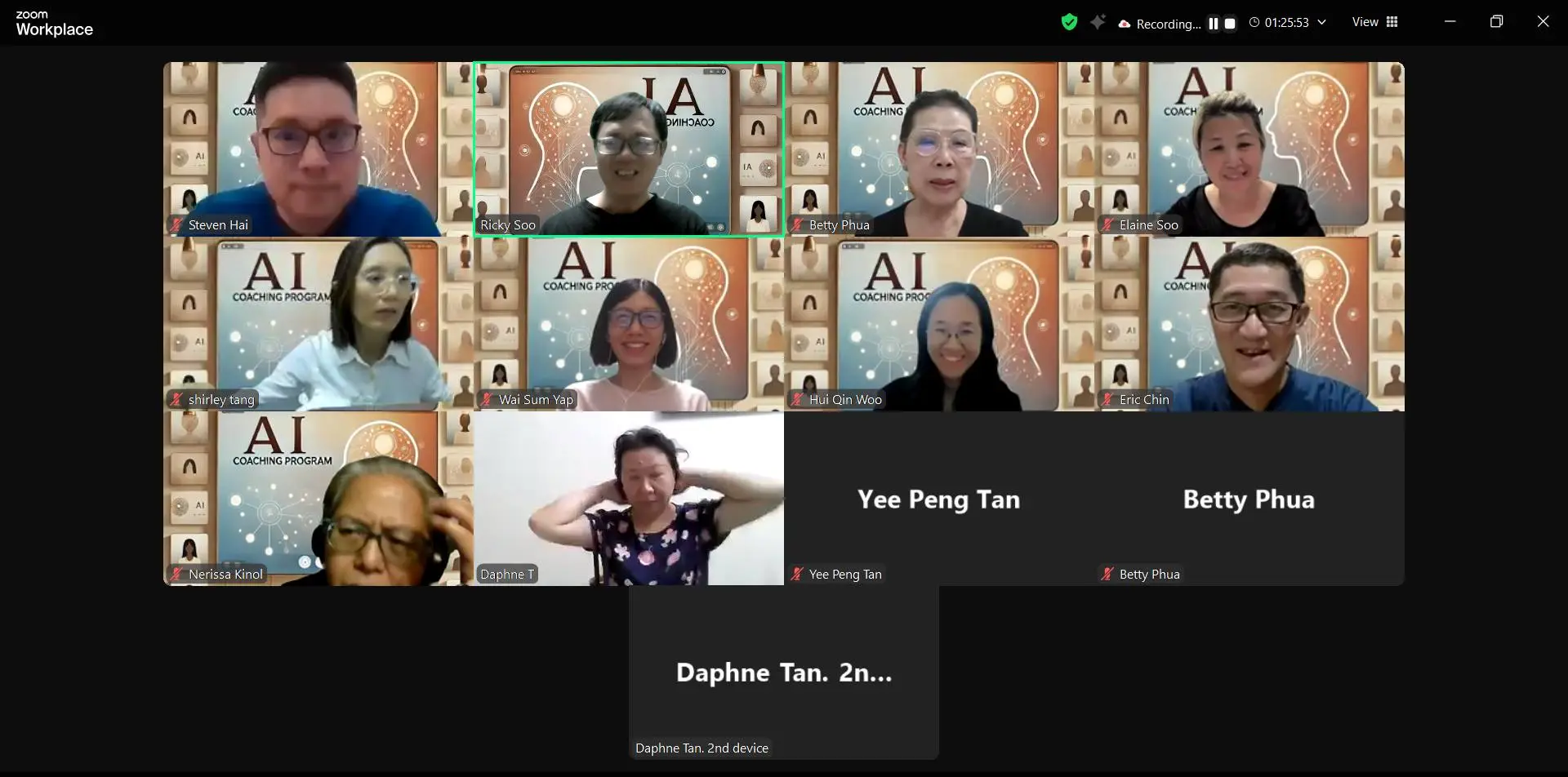
Generative AI for content creation, run for Group 4 in January 2025 - building the pages a small business actually needs, without a designer.
Read the post →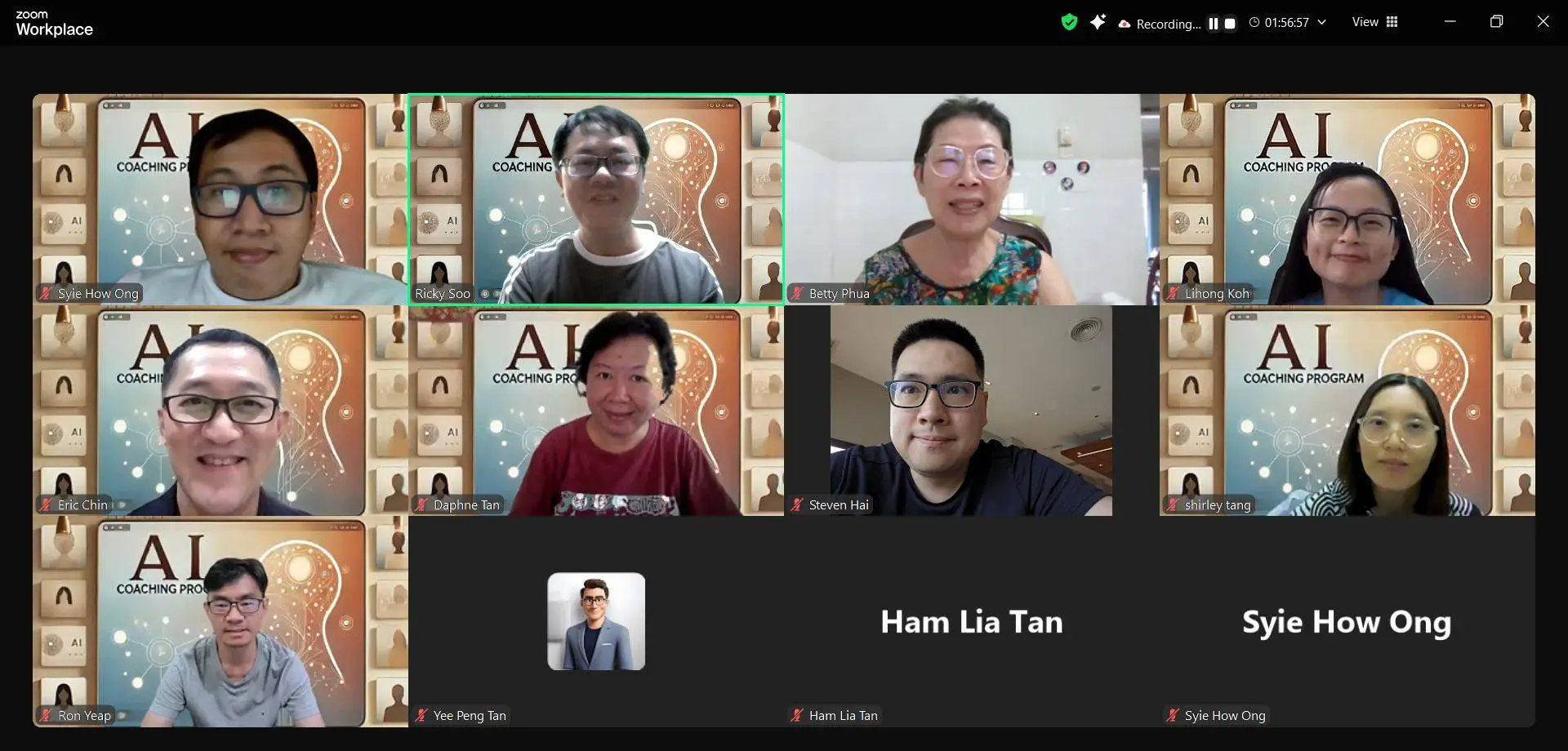
Handling enquiries, capturing leads and answering in more than one language - the session covered what a chatbot actually changes for a small business.
Read the post →
Prompt engineering ran twice that winter, for Group 4 and again for Group 1. It is the first module for a reason - everything after it depends on it.
Read the post →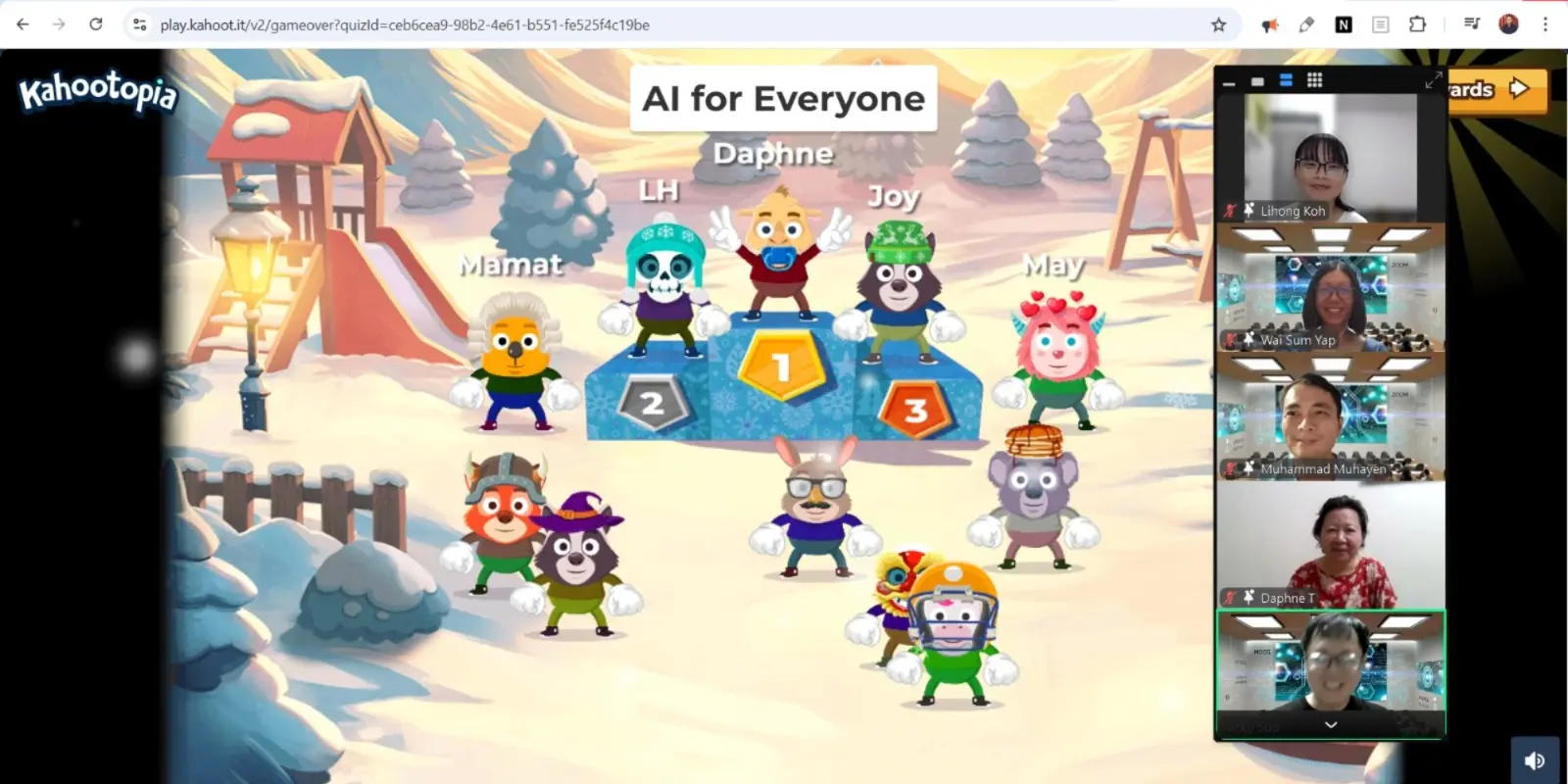
An introduction to Malaysia's free national AI literacy course, run as a live session with a quiz. The response was better than expected.
Read the post →
Basic workflows with Make.com, then connecting apps so they talk to each other. No code, and the sessions ran across three groups that winter.
Read the post →
An online session on using AI to lift a presentation - not just to generate the slides, but to sharpen what you actually say.
Read the post →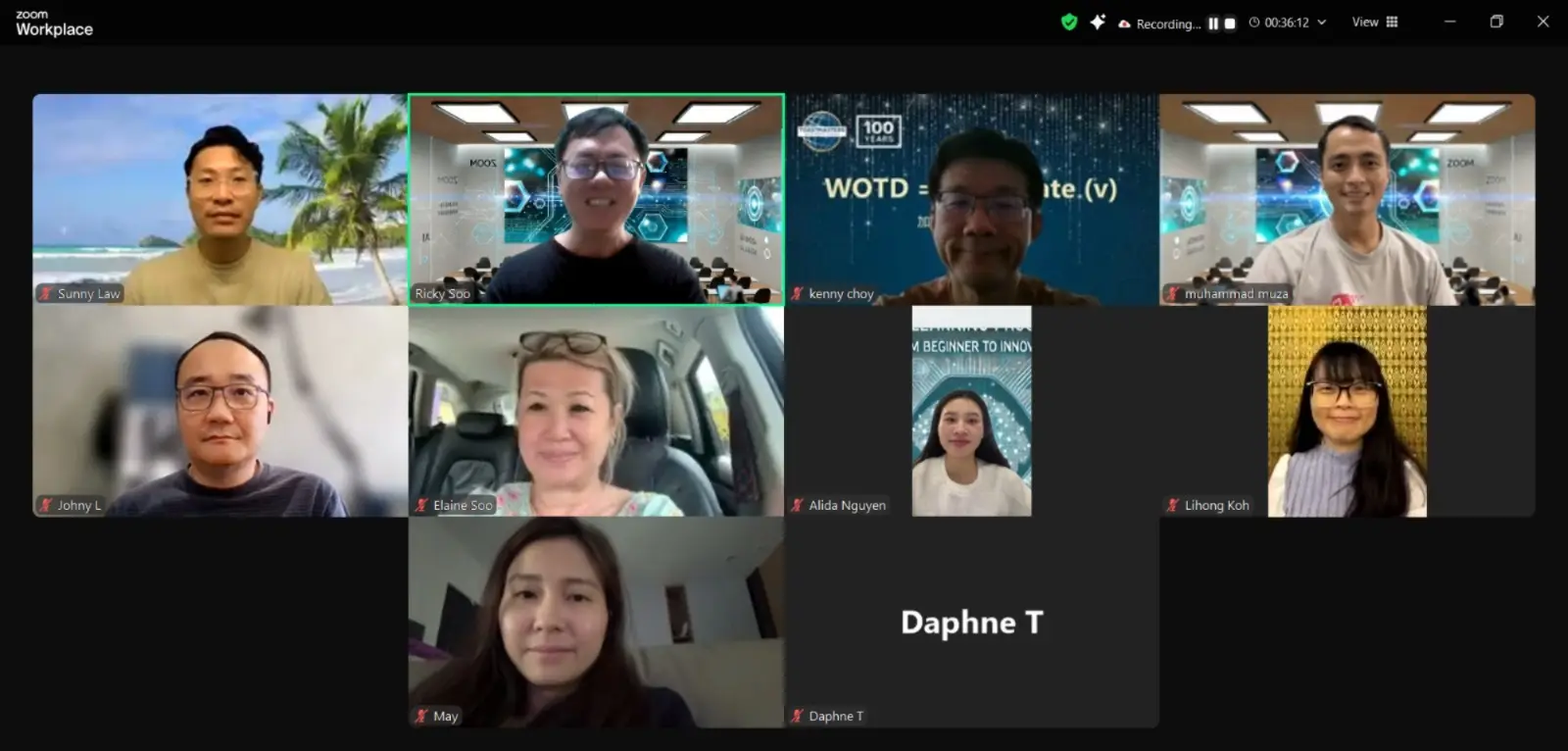
Two features that sound similar and do different jobs. Live demos of when to reach for a Custom GPT and when a Project is the better fit.
Read the post →
First a Custom GPT from scratch, then connecting it to outside systems. Beginners with no coding background built working tools in a single session.
Read the post →
Custom GPTs for language learning and test prep, then a session where children learned to spot AI-generated content through games.
Read the post →