Where AI Stops and You Start
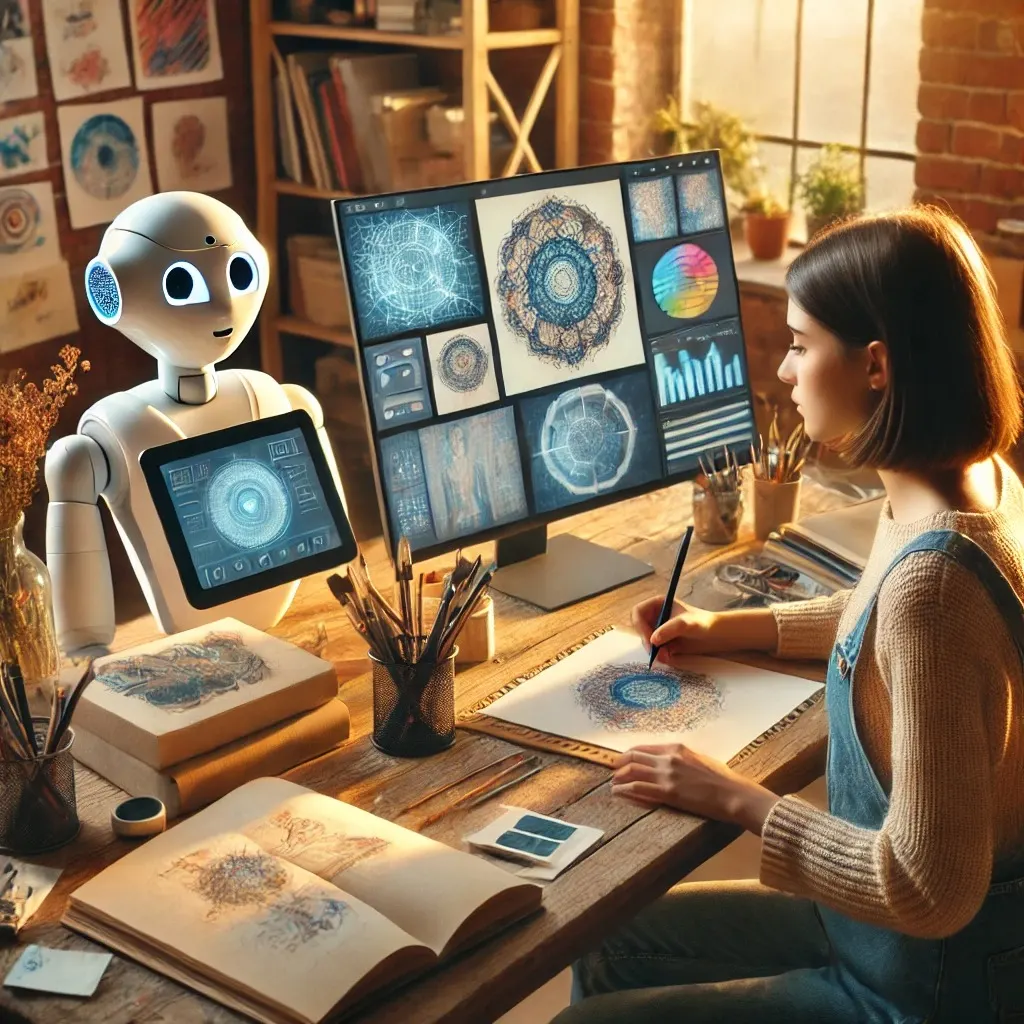
The session went off-script and turned into an argument, which is usually a sign that something real is being discussed.
The question was whether AI is a paintbrush or a replacement for the painter. It writes, it designs, it composes. The uncomfortable part is that it does all three quickly enough to make the question practical rather than philosophical.
One participant landed it in a sentence we have quoted many times since: AI can follow patterns, but it cannot feel. It will produce twenty competent versions of a thing. It cannot tell you which one is worth making, because it has never had the experience the thing is about.
So the working split we came away with is this. Give AI the parts that are repetitive, the drafts, the variations, the tidying. Keep the parts that require having lived something, which is the story, the judgement, and the reason anybody should care.
Used that way it is a sidekick rather than a substitute, and the work still sounds like you.
We spend a lot of time on this balance in the AI Innovator Program, where the output is yours and the tools just get you there faster.